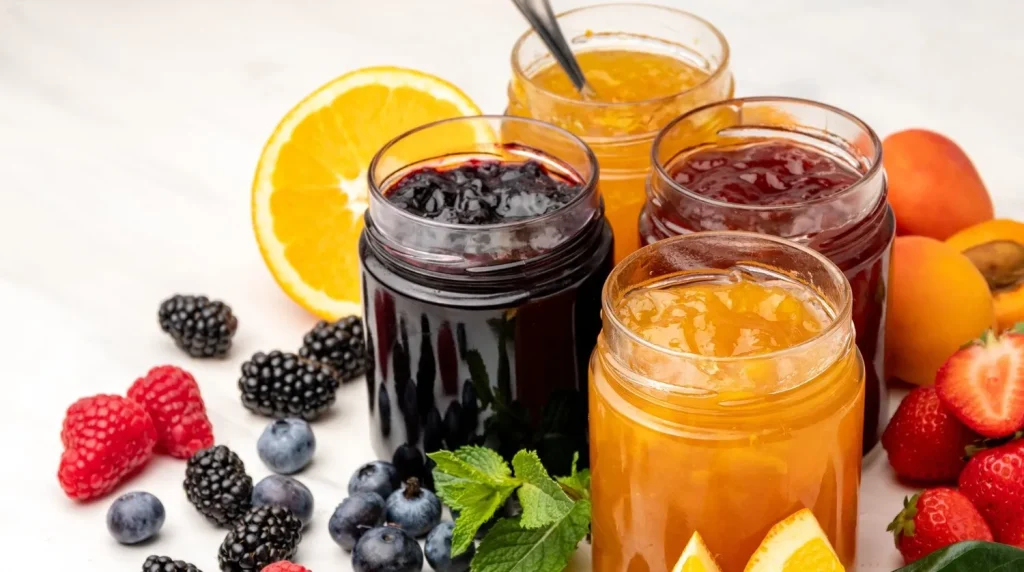

Jam is a sweet spread made by cooking fruit with sugar to achieve a gel-like consistency. It serves as a versatile condiment, commonly enjoyed on bread, toast, or pastries.
The diverse array of fruit varieties and flavor combinations makes jam a popular addition to various cuisines worldwide.
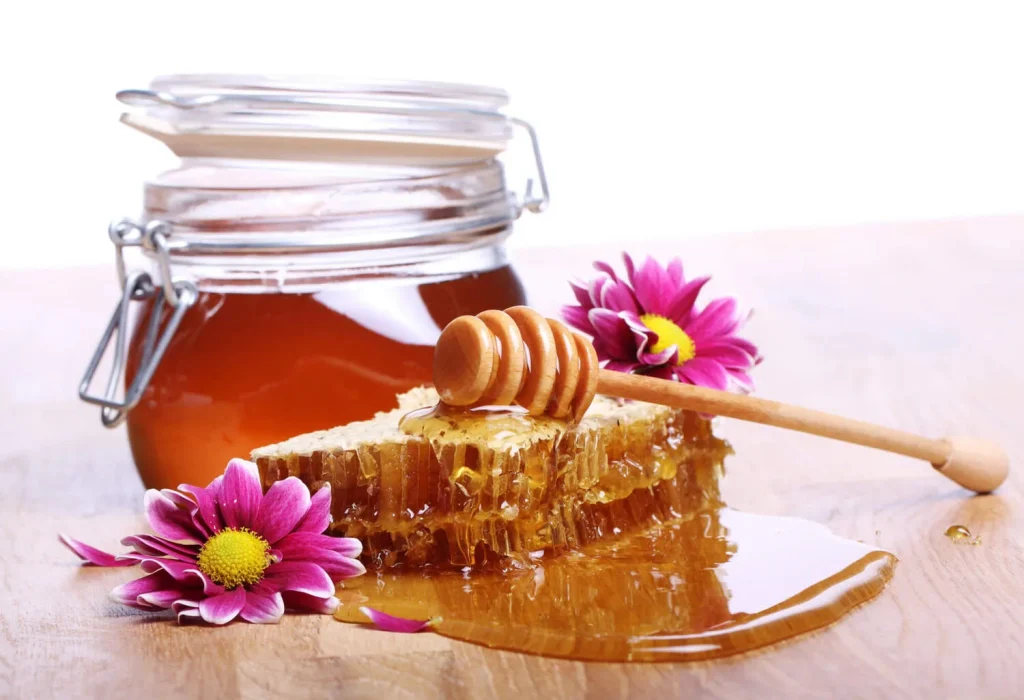
Honey is a natural sweet substance produced by bees using nectar from flowers, and it has been consumed by humans for centuries due to its distinct flavor and various health benefits. This golden liquid is known for its versatility, serving as a sweetener in both hot and cold beverages, a spread on bread or toast, and an ingredient in cooking and baking.
Additionally, honey is recognized for its potential medicinal properties, including antioxidant and antibacterial effects, making it a popular choice not only for its sweetness but also for its health-promoting qualities.
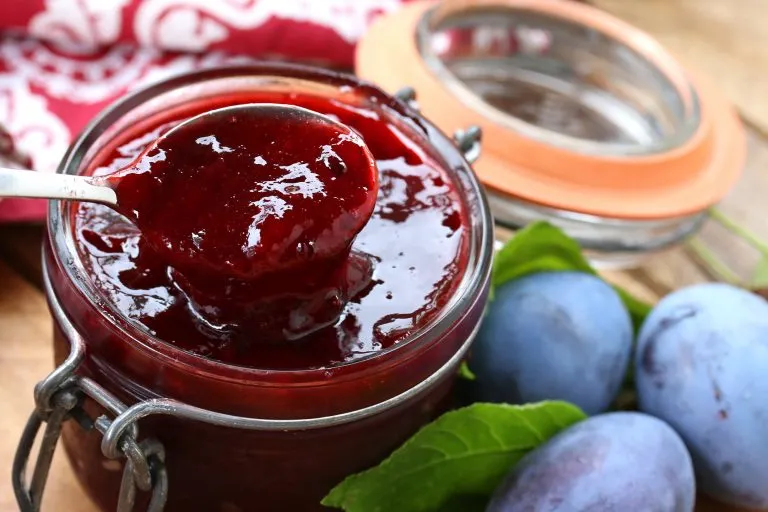
Fruit spreads are sweet condiments made by cooking fruits with sugar, often without the addition of pectin. They offer a spreadable consistency similar to jam but may contain larger fruit pieces, providing a delightful texture.
Fruit spreads come in a wide variety of flavors, ranging from traditional choices like strawberry and raspberry to more exotic options, allowing for diverse and flavorful culinary experiences.
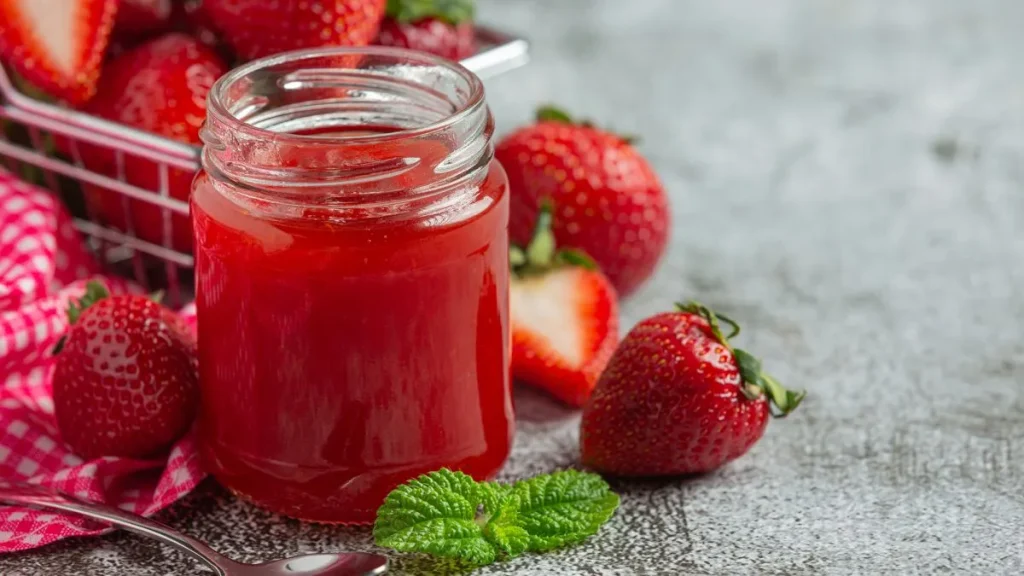
These sweet condiments have become integral components of British cuisine, enhancing everything from the traditional breakfast for the classic afternoon tea. Whether spread on toast or incorporated into desserts, jam and honey contribute distinctive sweet flavors, while fruit spreads offer a versatile range of options for creating delightful flavor combinations.
The enduring appeal of these sweets adds to the rich tapestry of British culinary delights, making them beloved staples in the daily meals and snacks of many residents.
Market size
Sales volume of jams, honey and fruit spreads manufactured in the United Kingdom from 2018 to 2022

In 2022, imports of jams into the UK were valued at approximately 133 million British pounds. This constitutes an increase of approximately 32 million British pounds in comparison to the previous year. The United Kingdom imports most of its Jams from Poland, France and India.
In 2022, the value generated from the export of jams, fruit jellies and marmalades in the United Kingdom increased by 4.9 million British Pounds (+14.47 percent) since 2021. In total, the value amounted to 38.7 million British Pounds in 2022.
The main brands in the market of jams, honey and fruit spreads
The leading companies in the market of fruit jams, honey and fruit spreads are companies Marmite, Tesco, Hartley’s, other supermarket’s own brand, Bonne Maman, Sainsbury’s and others.
Jam, honey and spread brands ranked by number of consumers in UK in 2022/23(in 1,000s)

Marmite
Marmite is a savory spread made from yeast extract and fortified with B vitamins. It’s especially popular in the United Kingdom, where it’s frequently spread onto toast, crackers and sandwiches. Its strong, salty flavor profile makes it divisive too—either you love it or you hate it.
Marmite was invented in the late 19th century by Justus von Liebig, a German scientist who discovered that leftover brewers’ yeast could be concentrated and consumed. In 1902, the Marmite Food Company was founded in England and launched the production and packaging of marmite. Today, marmite is produced by Unilever.
Marmite is known for its fabulous array of limited-edition jars. Some of the most memorable ones include Guinness Marmite, “Ma’amite” for the Queen’s Diamond Jubilee in 2012, and more recently our Elton John Rocket Man Jar (donating 50p from every jar sold to the Elton John Aids Foundation).
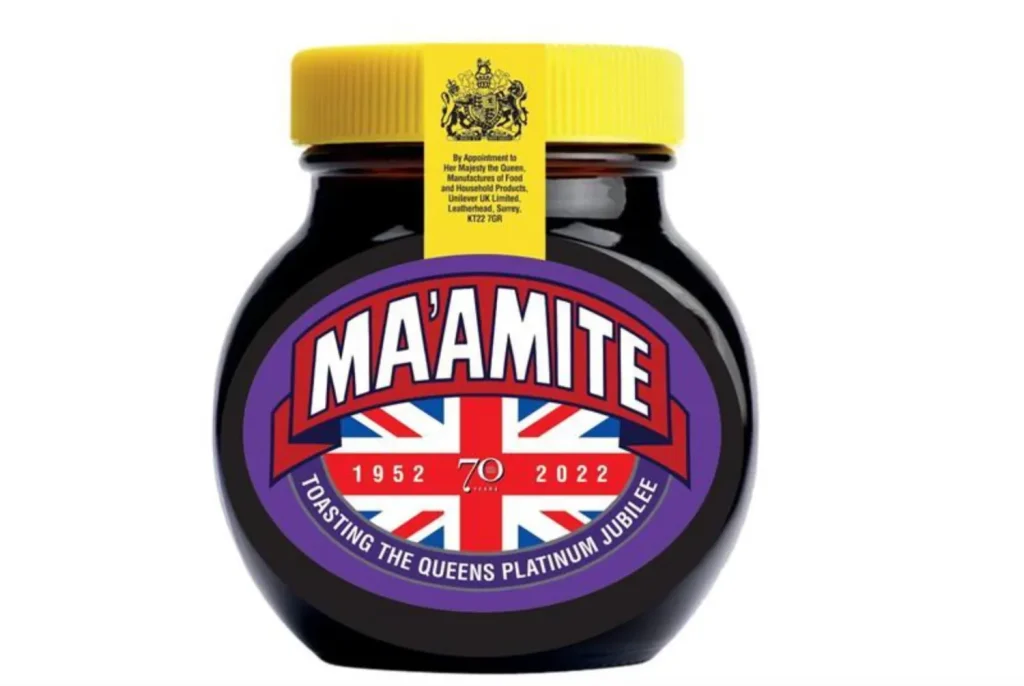
Marmite has had a number of heart-warming advertising campaigns over the years from “My Mate Marmite” to Paddington Bear. In 2013 Marmite launched a campaign aimed at banishing widespread Marmite neglect, after research proved that consumers tend to forget about Marmite, leaving it to gather dust at the back of the cupboard. The campaign built on the much loved “Love it or hate it” campaign, encouraging lovers to rescue Marmite from being forgotten about.
Tesco
Tesco is a British multinational grocery and general merchandise retailer, and they offer a variety of jam, honey, and fruit spread products under their own brand.
The company produces various flavors of jam, including traditional options like strawberry, raspberry, blackberry, and apricot. Additionally, they may offer more exotic or seasonal flavors depending on the time of year. Fruit spreads are often a combination of various fruits, and Tesco may have options like mixed berry, orange marmalade, or fruit medley spreads. These spreads might contain a blend of fruits to provide a unique and delicious taste.
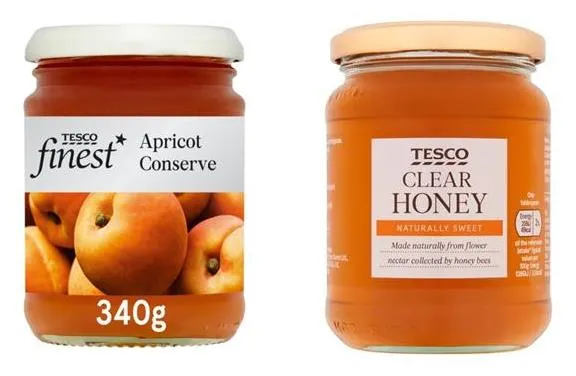
Tesco typically provides a range of honey options, such as clear honey, set honey, and sometimes specialty varieties like manuka honey. The source of the honey (e.g., wildflower, clover) may vary, and it’s common for Tesco to offer both local and international honey varieties.
Hartley’s
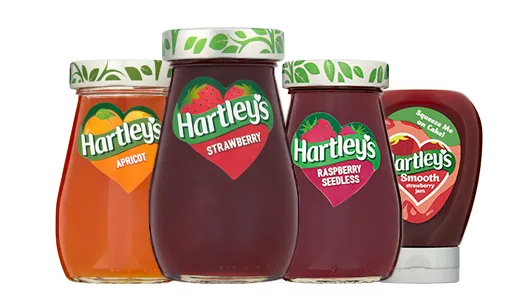
Hartley’s is a well-known brand specializing in jams and fruit spreads, offering a variety of flavors made from high-quality fruits. Common options include strawberry, raspberry, apricot, and blackcurrant.
Hartley’s has a long heritage in the jam-making industry, and the brand has established itself as a trusted name for quality fruit preserves. The company’s commitment to using premium ingredients reflects in the taste and consistency of its products.
Hartley’s products are widely available in supermarkets and grocery stores, making them easily accessible to consumers. The brand’s popularity spans not only in the UK but also in various international markets.
Bonne Maman
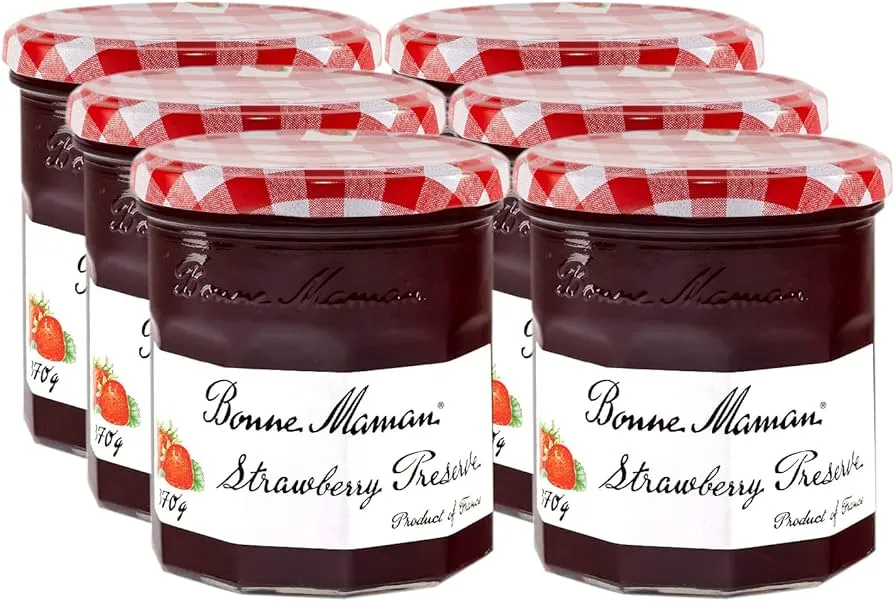
Bonne Maman is a well-known French brand that specializes in producing high-quality jams, fruit preserves, and other sweet spreads. Bonne Maman, which translates to “Good Mother” in English, has a strong reputation for preserving traditional French jam-making techniques. The brand has its roots in the small village of Biars-sur-Cère in the Lot region of France.
The company is widely recognized for its delicious fruit preserves, including popular flavors such as strawberry, raspberry, apricot, and cherry. The jams typically contain high fruit content, sugar, lemon juice, and fruit pectin, maintaining a commitment to quality and taste.
One of the distinctive features of Bonne Maman products is their iconic packaging. The jams are often presented in glass jars with a gingham-patterned lid, giving them a classic and charming appearance.
Sainsbury’s
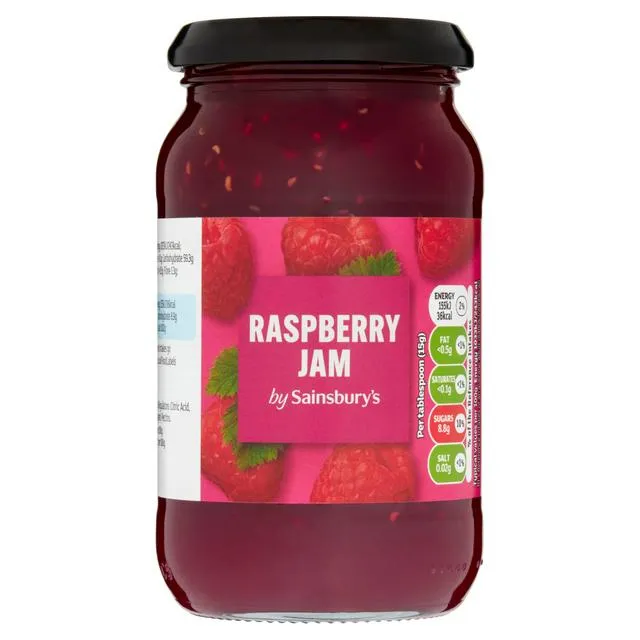
Sainsbury’s is a British multinational grocery and retail company that operates a chain of supermarkets and convenience stores. It is one of the “Big Four” supermarket chains in the UK.
Sainsbury’s jams fall under the supermarket’s private label or own-brand products. These products are designed and packaged with the Sainsbury’s brand, offering consumers a cost-effective alternative to well-known national brands.Common flavors include strawberry, raspberry, apricot, blackcurrant, and more.
Asda
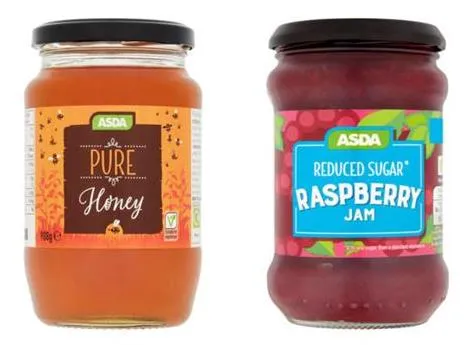
Asda, being a major supermarket retailer in the United Kingdom, offers a range of own-brand products, including honey, jam, and spreads. Asda’s honey, jam, and spreads fall under the supermarket’s private label or own-brand category. These products are specifically branded with the Asda name and are designed to provide customers with affordable choices.
Asda’s honey, jams, and spreads are typically packaged in containers or jars with the Asda branding. The packaging includes information about the product, including ingredients, nutritional information, and any relevant details.
Packaging design
Packaging design in the modern consumer market is one of the fundamental components of a successful brand. Packaging design not only conveys the brand’s message to the consumer, but speaks to him using symbols that are understandable to the consumer, reflects his desires and expectations, and emphasizes social status.
In the average supermarket, a consumer can look at 40,000 different packages containing a wide variety of products. Developing a corporate identity is one of the main steps at the beginning of the journey of any self-respecting company. Most often, it is through the corporate identity that the buyer first gets acquainted with the company and its product.
When creating a favorable style for a company, its image design, the most important elements for the communication policy of a company that wants to gain a foothold and improve in the market are formed. In the world of supermarkets, everything can be seen up close and touched. Therefore, it is difficult to resist the temptation not to buy a product that you like so much.
And, as it turns out, about 70% of purchasing decisions are made by the consumer directly during the purchase itself in the supermarket. Considering the vast number of similar products on the shelves, it is unlikely that these decisions are made based on an original formulation, an innovative processing system, or a patented improved formula.
These characteristics are important, but later. First, the consumer sees a package that he either likes and is intrigued by the product, or he doesn’t like it, and he passes by with, at best, a neutral attitude. Therefore, packaging design development is very important, and this process should not be seen as an expense, but as one of the most profitable investments.
There is a wonderful rule that has been known to American and European manufacturers for several decades: “Good design is good business.”
The positioning of jams and confections can be divided into several groups:
- emphasis on “homemade production”;
- emphasis on brand individuality, gourmet flavors;
- emphasis on appetizing presented products.
The skin’s approach is respected by the singing style of packaging.
1. Labels of homemade jams are often made from craft material, and the top of the jar is wrapped with cloth or paper, for greater association with granny jam. Fonts always mimic handwriting. All this reinforces the image of traditional handmade products.
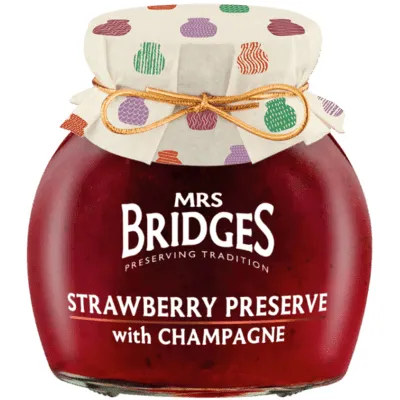
2. Another type may qualify for the premium category. Their labels can be minimalist or brightly embellished. The word that best suits their characteristics is: noble. The stench appears on the police as unexpected farbs, carefully thought out and complete images.

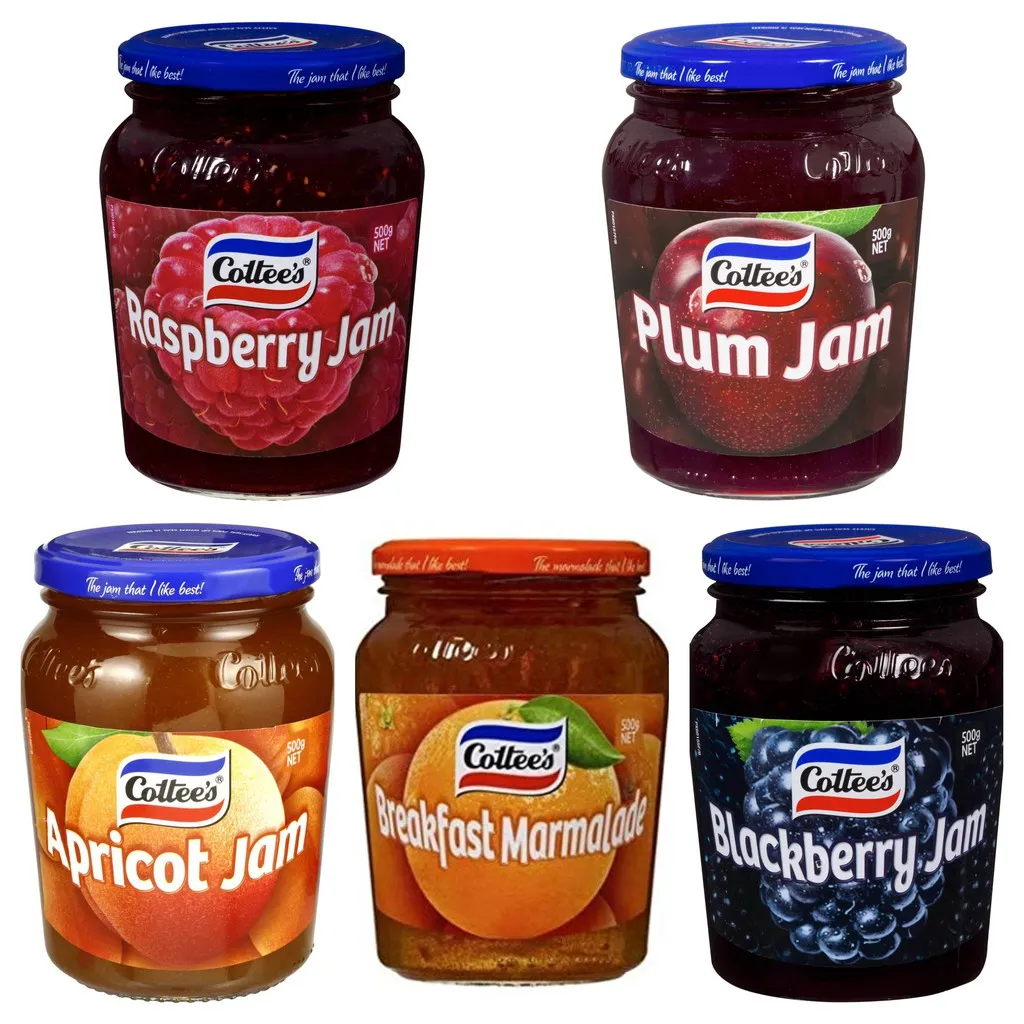
3. The third type is jamie of the mid-price segment. Their packaging is very traditional, the labels are bright, and they most often depict fruit. Often on the label you can add photos or illustrations of additional attributes: bread, tea, butter spread on toast.
Prospects for the market development of honey jams and fruit spreads
1. Increasing demand for natural and artisanal products. There has been a growing consumer preference for natural and artisanal food products. Honey, jams, and fruit spreads that emphasize natural ingredients, authenticity, and unique flavors may continue to see increased demand.
2. Sustainable and eco-friendly packaging. The emphasis on sustainability and eco-friendly practices in packaging is likely to influence consumer choices. Brands using environmentally friendly packaging for their honey, jams, and fruit spreads may gain a competitive edge.
3. Innovation in flavors and ingredients. Continuous innovation in flavor profiles and the use of exotic or unique ingredients can attract consumers seeking novel taste experiences. Companies that introduce innovative and high-quality products may capture market attention.
4. Promotion of health benefits. Highlighting the health benefits of honey, jams, and fruit spreads, such as antioxidants or natural sweetness, can appeal to health-conscious consumers.
5. Changing consumer lifestyles. Shifts in consumer lifestyles, such as busier schedules and an increased focus on convenience, may drive demand for convenient and ready-to-use products like portioned honey or on-the-go fruit spreads.
6. Export opportunities. There may be opportunities for UK honey, jams, and fruit spread producers to explore international markets, capitalizing on the global demand for high-quality and unique food products.
7. Impact of economic factors. Economic conditions, including disposable income levels, can influence consumer purchasing behavior. During economic downturns, there may be a shift towards more affordable or basic products.
Need a forecast for your target market? Contact the KOLORO company, and we will conduct an office study of the desired segment.