

Cheese holds a prominent place among the most popular food products in British cuisine. Its versatility, wide range of flavors, and diverse textures contribute to its widespread appeal. British consumers have a rich tradition of cheese consumption, with a long history of producing and enjoying various types of cheese.
The popularity of cheese in the UK is evident in the vast selection available, including traditional British cheeses like cheddar, stilton, and red Leicester, as well as a diverse range of international cheeses. Cheese is not only a standalone snack but also a key ingredient in many beloved dishes, from cheese platters and sandwiches to pies and casseroles.
Cheese’s popularity extends beyond traditional consumption, with an increasing interest in cheese pairings with wines, craft beers, and even desserts.
Market size of the industry
Between 2001 and 2013, cheese production in the UK fluctuated within a relatively narrow range, with output levels spanning from 393 thousand to 351 thousand tons. This period witnessed dynamic shifts in the cheese industry, influenced by factors such as: changes in consumer preferences, advancements in technology, and fluctuations in dairy markets.
Despite variations in production volumes, the UK maintained its position as a significant cheese producer within Europe, catering to both domestic demand and international markets. Throughout these years, cheese manufacturers likely adapted their strategies to navigate market uncertainties, striving to meet evolving consumer expectations while ensuring the quality and consistency of their products.
Moreover, innovations in production methods and distribution channels might have played a role in shaping the industry landscape during this time, contributing to the resilience and competitiveness of the UK cheese sector.
Starting in 2014, the cheese production landscape in the United Kingdom underwent a remarkable transformation, marked by a substantial increase of over 475 thousand tons compared to previous years. This surge in production was fueled by a combination of factors, including heightened consumer demand, technological advancements in dairy processing, and strategic investments by cheese manufacturers.
In 2021, cheese production in the UK soared to unprecedented levels, reflecting the culmination of years of expansion and innovation within the sector. This record-breaking output not only solidified the UK’s position as a major player in the global cheese market but also underscored the industry’s capacity for growth and adaptability.
However, despite the remarkable achievements in 2021, the cheese industry faced new challenges and uncertainties in 2022. While the production remained robust, reaching approximately 512 thousand metric tons, various factors such as supply chain disruptions, fluctuating market dynamics, and shifting consumer preferences posed significant hurdles for cheese manufacturers.
In response to these challenges, industry stakeholders likely focused on enhancing operational efficiency, optimizing supply chain logistics and innovating product offerings to maintain competitiveness and meet evolving consumer demands. Additionally, efforts to prioritize sustainability, promote traceability and ensure product quality remained paramount in navigating the complexities of the cheese market in 2022.
In October 2023, the trade dynamics of the United Kingdom’s cheese industry revealed a notable disparity between exports and imports. While cheese exports amounted to £68.6 million during this period, imports surged to £162 million, resulting in a substantial negative trade balance of £93.6 million.
This trade imbalance underscored the UK’s heavy reliance on imported cheese to meet domestic demand, highlighting potential challenges within the domestic cheese production landscape. Factors contributing to this trade deficit may include shifts in consumer preferences towards a wider variety of cheese types, as well as the availability of imported cheeses that cater to diverse taste preferences.
Despite being renowned for its rich dairy heritage and high-quality cheeses, the UK faces stiff competition from international cheese producers, particularly those offering specialty and artisanal cheeses.
During that month, major cheese exports were directed towards Ireland (£11.8 million), France (£9.83 million), the United States (£8.6 million), the Netherlands (£6.21 million), and Spain (£3.17 million).

Conversely, significant cheese imports were sourced from France (£26.8 million), Italy (£26.3 million), Ireland (£23.1 million), Denmark (£16.8 million) and Belgium (£14.9 million).

The decline in year-by-year cheese exports in October 2023 was primarily attributed to reduced exports to Malaysia (£-230,000 or -73%), Barbados (£-111,000 or -69%), and Jordan (£-105,000 or – 56.4%).
In contrast, the increase in year-by-year cheese imports in October 2023 was primarily explained by a surge in imports from the Netherlands (£6.19 million or 175%), Cyprus (£5.17 million or 84.7%) and Belgium (£ 3.41 million or 126%).
Analysis of major players
The British cheese market features several popular brands that have garnered widespread recognition and consumer preference. Among these notable brands are Cathedral City, Pilgrims Choice, Wyke Farms, President, Morrisons, Castello, and various others.
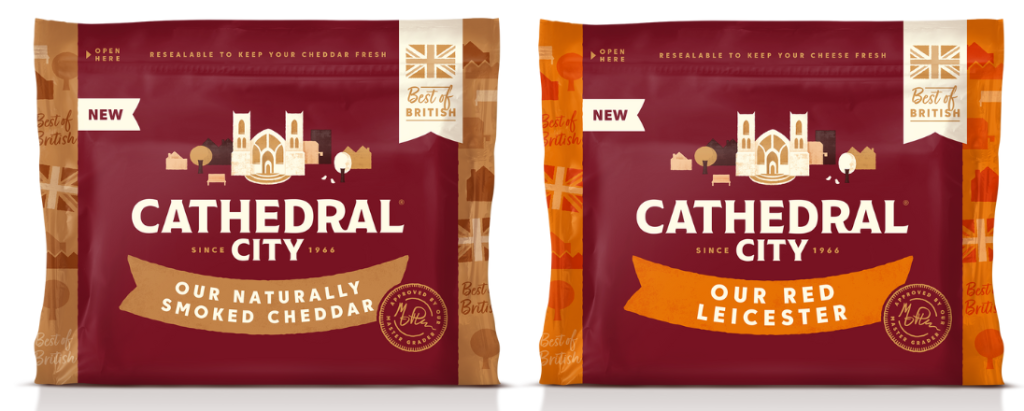
Cathedral City
Cathedral City is a renowned British dairy company specializing in the production of high-quality cheese. Established in 1966, the company has a rich heritage and is known for its commitment to delivering delicious and premium cheese products. One of its flagship offerings is the Cathedral City Cheddar, a popular choice among consumers for its smooth texture and rich flavor profile.
The company has built a strong brand presence by focusing on the tradition of crafting exceptional cheese using time-honored methods. Cathedral City’s branding emphasizes the values of authenticity, craftsmanship, and a dedication to providing an unparalleled cheese experience.
Through strategic advertising campaigns, the company has successfully communicated these values to consumers, creating a lasting impression and establishing Cathedral City as a trusted and preferred cheese brand in the market.
Pilgrims Choice
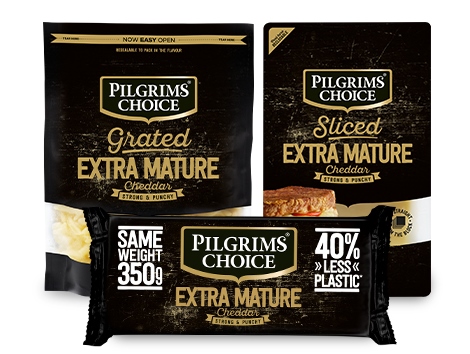
Pilgrims Choice is a prominent British cheese brand founded in 1991, renowned for its commitment to producing high-quality cheese products. Specializing in Extra Mature Cheddar, the brand is celebrated for its rich and robust flavor profile, making it a favorite among consumers seeking premium cheese options.
The company distinguishes itself through a strong emphasis on authenticity and tradition in its branding. Pilgrims Choice communicates a dedication to craftsmanship and the use of traditional cheese-making methods, establishing a connection with customers who value artisanal quality.
Pilgrims Choice’s branding strategy aligns with a sense of heritage and a commitment to superior taste. The brand often leverages various advertising channels, including digital platforms, television commercials, and in-store promotions, to showcase its exceptional cheese offerings. Through these efforts, Pilgrims Choice has successfully positioned itself as a trusted and well-loved name in the cheese industry, known for delivering a delightful and authentic cheese experience to its customers.
Wyke Farms
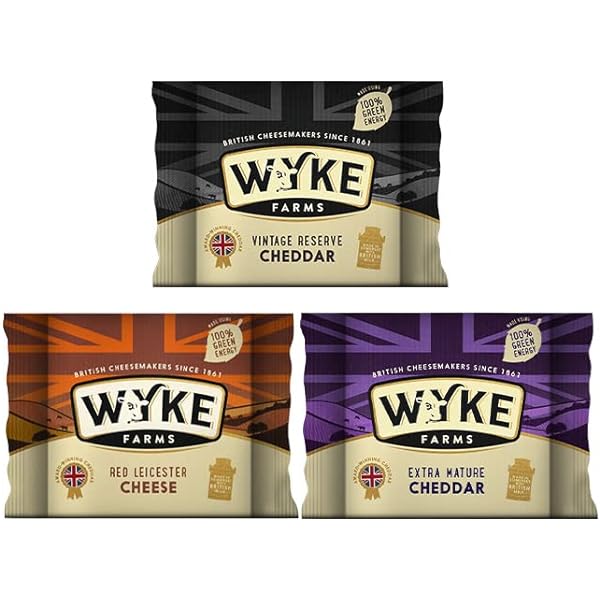
Wyke Farms is a family-owned and operated dairy company based in Somerset, England, with a rich history dating back to 1861. Specializing in the production of award-winning cheddar cheese, the company is known for its commitment to sustainable and organic farming practices.
One of Wyke Farms’ flagship products is their Extra Mature Cheddar, celebrated for its distinctive flavor and high quality. The company places a strong emphasis on using locally sourced, natural ingredients in their cheese-making process, promoting both taste and environmental responsibility.
Wyke Farms’ branding is characterized by a focus on tradition, authenticity, and sustainability. The company’s packaging often highlights its commitment to renewable energy and green initiatives, resonating with consumers who prioritize eco-friendly practices.
In terms of advertising, Wyke Farms employs various channels to communicate its values and product excellence. The company frequently engages in marketing campaigns that underscore its commitment to quality, sustainable farming, and the authentic taste of their cheeses.
President
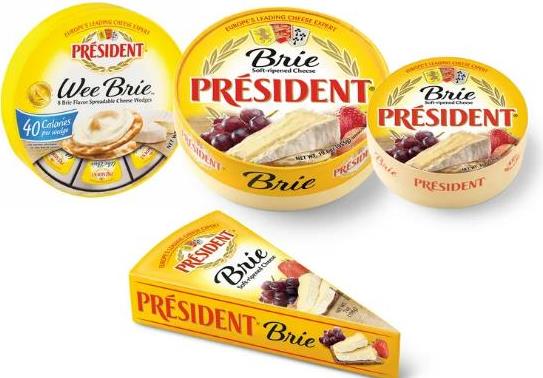
President is a renowned French cheese brand with a heritage dating back to 1933, recognized globally for its premium dairy products. Specializing in the production of high-quality and distinctive French cheeses, President has become synonymous with excellence in the cheese industry.
The brand is particularly celebrated for its Brie and Camembert, known for their creamy textures and rich, indulgent flavors. President’s commitment to using traditional French cheese-making methods contributes to the authenticity and superior taste of its products.
The iconic logo and packaging design further enhance the premium image associated with President cheeses, creating a visual identity that resonates with consumers seeking gourmet experiences.
In terms of advertising, President employs various strategies, including digital marketing, culinary partnerships, and print campaigns, to showcase its range of cheeses. The brand often emphasizes its French heritage and the artistry behind its cheese-making, appealing to consumers who appreciate the finer aspects of gastronomy.
Morrisons
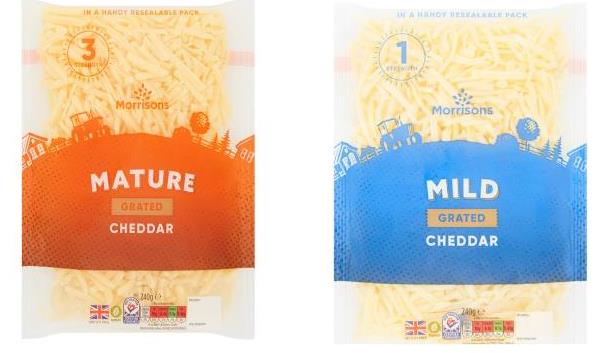
Morrisons is a prominent British supermarket chain that has been serving customers since 1899, offering a wide range of products, including an extensive selection of cheeses. The company is committed to providing quality, affordability, and a diverse assortment of cheeses to meet the preferences of its customers.
In the cheese department, Morrisons offers a variety of options, from everyday staples to specialty and artisanal choices. The supermarket focuses on ensuring that its cheese range meets high standards of taste and quality, catering to the diverse tastes of its customer base.
Advertising efforts by Morrisons often highlight its competitive pricing, quality assurance, and commitment to supporting local farmers and producers. The supermarket employs various channels, including digital and traditional media, to communicate its value proposition and promote its diverse range of cheeses.
Castello
Castello is a renowned Danish cheese brand with origins dating back to 1893, known for producing a diverse range of premium cheeses. The company has earned international recognition for its commitment to quality craftsmanship and innovative cheese varieties, offering a selection that spans from traditional to contemporary flavors.
At the heart of Castello’s cheese collection are iconic varieties like Blue Cheese and Danish Havarti, each celebrated for its unique taste profile and superior quality. The brand’s dedication to using the finest ingredients and traditional cheese-making techniques contributes to the distinctiveness of its offerings.
The iconic castle logo is synonymous with quality and craftsmanship, creating a visual identity that resonates with consumers seeking gourmet and indulgent cheese experiences. Utilizing various marketing channels, including digital platforms and collaborations with chefs, Castello aims to position itself as a leader in the global specialty cheese market, appealing to consumers who appreciate distinctive and high-quality cheese options.

By offering a wide range of cheeses, these companies cater to a variety of tastes, dietary preferences and culinary needs. From traditional and classic cheeses such as cheddar, mozzarella and swiss to more specialized and artisanal options such as blue cheese, brie and aged gouda, companies aim to provide a complete selection.
This variety allows consumers to explore different flavors, textures and styles of cheese, ensuring that there is something for everyone. In addition, companies often supply both local and international cheeses, further expanding the range and offering consumers the opportunity to try products from different regions and cultures.
The wide selection of cheeses also aligns with the growing interest in gourmet and specialty foods, allowing consumers to enhance their culinary experience at home. In general, the presence of a diverse assortment of cheeses reflects the efforts of companies to satisfy the dynamic and changing preferences of their customers.
Trends in the design of cheese packaging
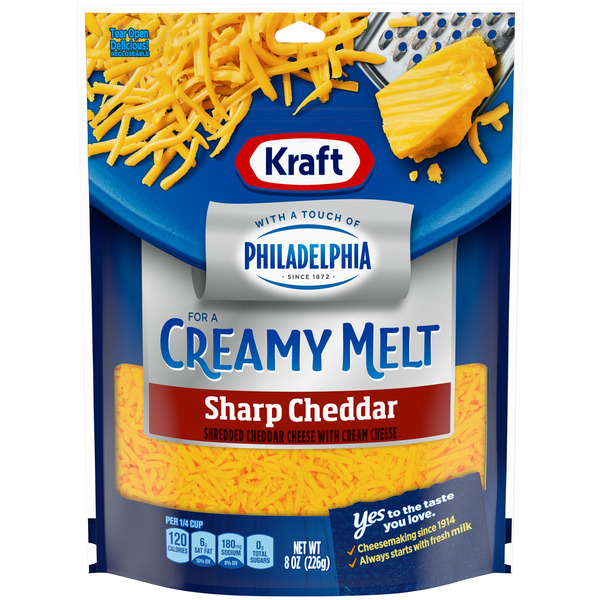
Modern trends in cheese packaging reflect a combination of aesthetic appeal, sustainability, and consumer convenience. There is a growing emphasis on eco-friendly and sustainable packaging materials, with brands adopting biodegradable, compostable, or recyclable options.
Packaging design is becoming more functional, incorporating features like resealable zippers, easy-open tabs, and portion-controlled options to enhance consumer convenience.
Transparent or windowed packaging allows consumers to see the product before purchasing, emphasizing transparency in product quality, freshness, and appearance.
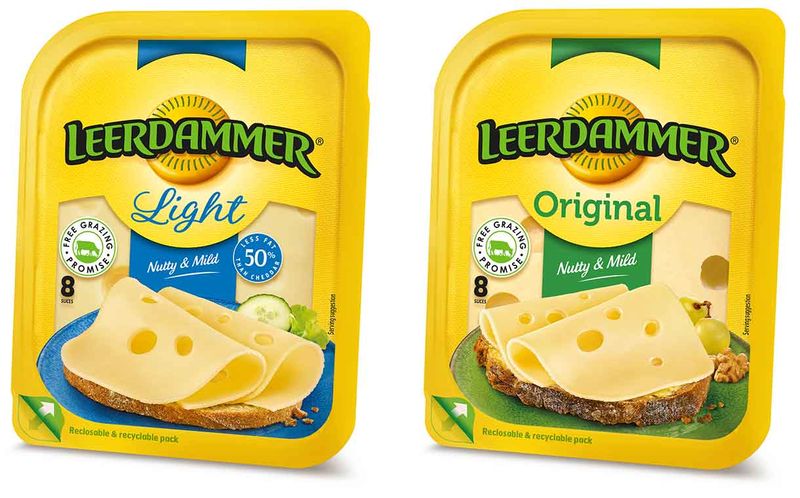
Minimalist designs with a focus on clean lines, simple typography, and high-quality visuals are gaining popularity, conveying authenticity and craftsmanship.
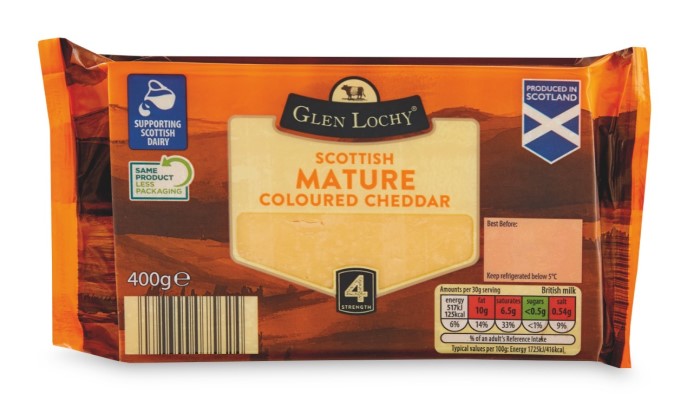
Brands are also incorporating storytelling elements into their packaging to create a connection with consumers, sharing narratives about the cheese-making process, brand history, or product origin. Convenience features such as portioned slices, on-the-go packs, or individually wrapped servings cater to the needs of busy consumers.
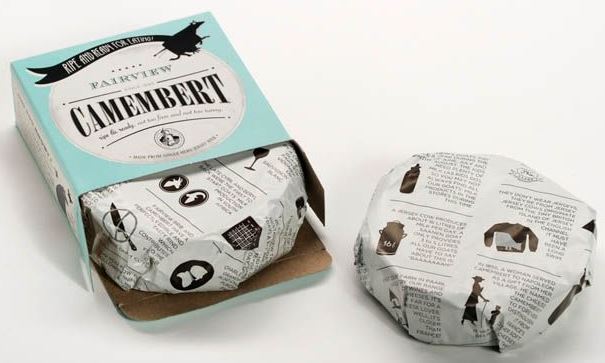
Vibrant colors and bold graphics are being used to make products stand out on the shelf, attracting consumer attention in a competitive market.

Premium packaging, including upscale materials, finishes, and unique shapes, is becoming more prevalent for high-end and specialty cheeses.
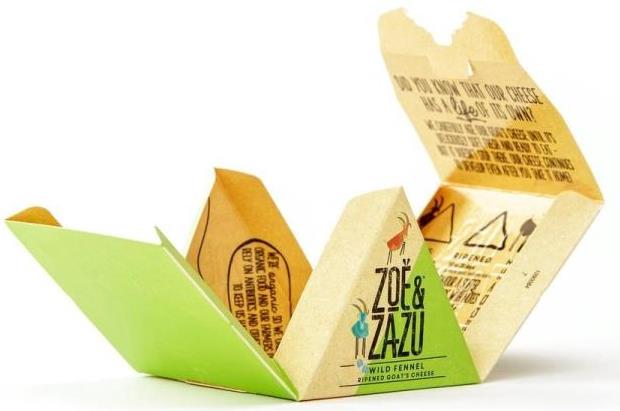
Packaging designs that celebrate the cultural or regional origins of the cheese are gaining popularity, appealing to consumers looking for authentic culinary experiences.
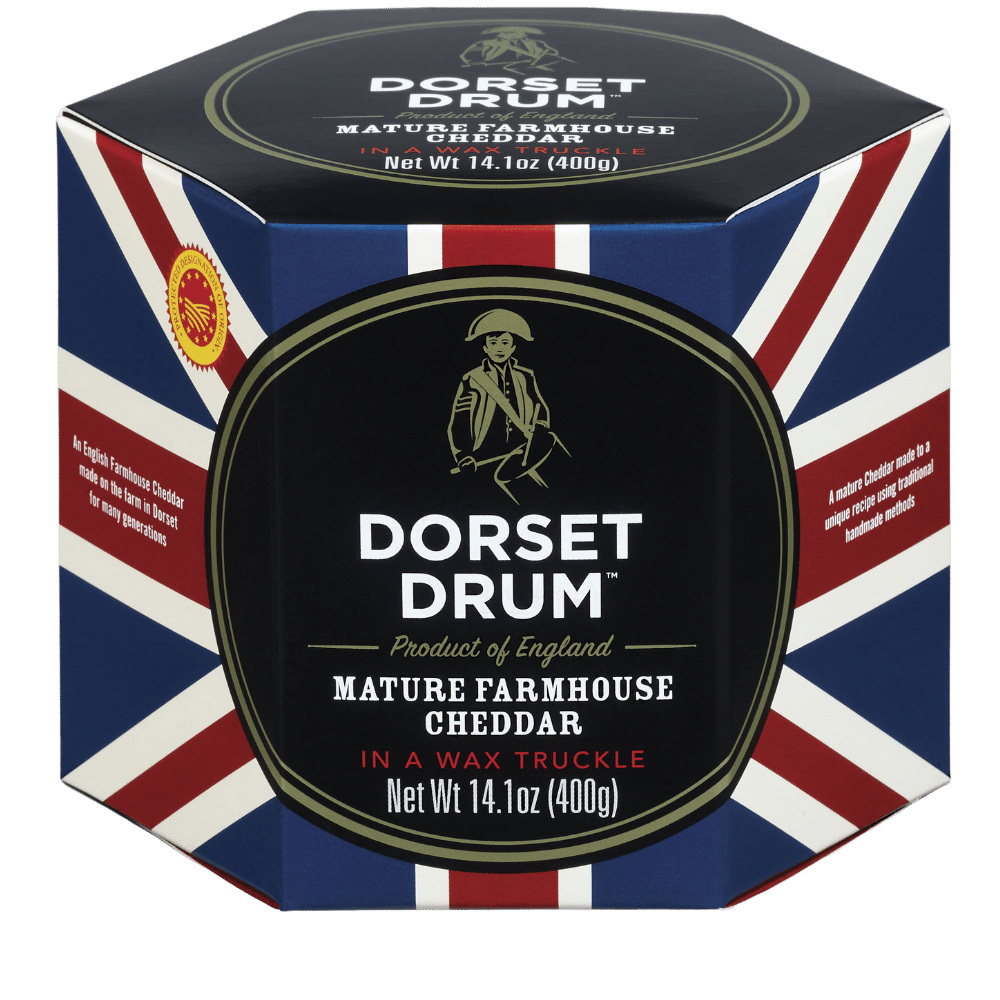
These trends collectively reflect the dynamic nature of the cheese packaging industry, where innovation and creativity play significant roles in meeting the evolving preferences of modern consumers.
Distribution channels in the cheese market
From farm to fridge, the cheese products undergo various distribution channels before they reach you.
| Supermarkets and Hypermarkets | Supermarkets and hypermarkets offer a convenient platform for consumers to explore a variety of cheese brands and types in a single location. |
| Convenience Stores | Catering to consumers in search of quick and easily accessible options, convenience stores provide a convenient avenue for purchasing cheese and cheese snacks. |
| Specialty Stores | Specialty stores present a thoughtfully curated selection of artisanal, gourmet, and distinctive cheese varieties. They serve as a preferred destination for cheese enthusiasts seeking high-quality and unique options. |
| Other Distribution Channels | This category encompasses diverse channels, including online retail platforms, farmers’ markets, and establishments within the food service sector. Food service establishments such as restaurants and hotels acquire their cheese supplies through specialized food distributors. |
Prospects for the development of the cheese market
in the United Kingdom
The prospects for the development of the cheese market in the UK are influenced by several factors that reflect both challenges and opportunities:
1. Consumer Demand and Trends
The growing interest in gourmet and artisanal foods is likely to continue, creating opportunities for specialty and premium cheeses. Consumers’ willingness to experiment with diverse flavors and textures can drive innovation in the market.
2. Sustainability
With an increasing focus on sustainability, there’s potential for growth in the market for organic and sustainably produced cheeses. Consumers are becoming more conscious of the environmental impact of their food choices, and companies that align with these values may gain a competitive edge.
3. Export Opportunities
Despite the negative trade balance in October 2023, there may be opportunities for UK cheese producers to explore new international markets and expand their export capabilities. Building relationships with countries that have a growing appetite for high-quality cheese can be beneficial.
4. Technological Advancements
Innovations in cheese production technology may lead to improved efficiency and quality. This could include advancements in processing, packaging, and distribution, contributing to overall market growth.
5. Diversification of Cheese Offerings
Responding to changing consumer preferences, cheese producers may consider diversifying their product offerings. This could involve introducing new flavors, types, or formats to appeal to a broader audience.
6. Health and Wellness Trends
As health-conscious consumer trends continue, there may be increased demand for healthier cheese alternatives, such as reduced-fat or plant-based options. Producers who adapt to these preferences can tap into a growing market segment.
7. E-commerce Growth
The rise of e-commerce provides an avenue for cheese producers to reach a wider audience. Online platforms can facilitate direct-to-consumer sales and offer opportunities for marketing and brand visibility.
Knowledge of the main market trends is the key to successful promotion. Branding agency KOLORO will help you become a leader!