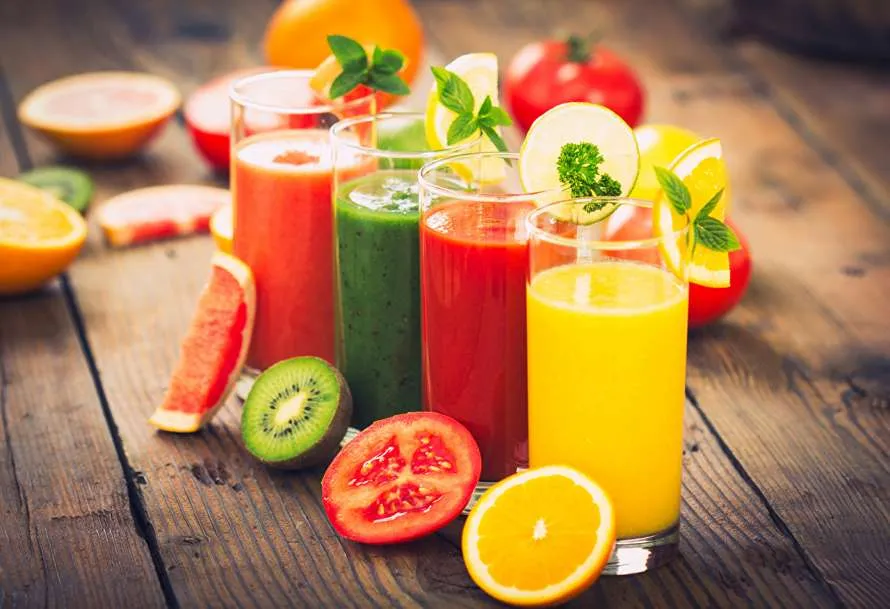
Every year, the juice industry is experiencing growing popularity, which creates significant competition among producers. Therefore, the challenge for them is attracting the attention of consumers, whose demands are constantly growing. As part of our research, we offer a detailed overview of the main trends and dynamics of the juice market. We will consider production volumes, the distribution of competitors on the market and also evaluate the current trends in packaging design that attract the attention of consumers today.
If you are interested in this study and would like to receive a complete market analysis with current data, contact the KOLORO branding agency. The KOLORO company can also develop the design of the packaging and label of your product, carry out rebranding, create a logo and brand book, a brand legend and an advertising slogan, find partners in another country (suppliers, distributors) and much more.
Fruit juices are becoming more and more popular every year, as people increasingly strive for a healthy lifestyle and pay more attention to their nutrition. Fruit juices are considered a healthy alternative to sodas and drinks high in sugar because they contain vitamins, minerals and other nutrients that are good for health.
Fruit juices contain vitamins C and A, potassium, folic acid and other useful substances. These drinks can help support the immune system, improve skin health, and promote overall well-being.
Analysis of the juice market: production
In 2022, the fruit juice market in the United Kingdom was valued at approximately two billion British pounds. Compared to the previous year, this constitutes an increase in market value.
The market value of the juice industry has been declining since 2013. In 2016, it beat the trend, but in 2018 and 2019 the downward trend that started six years ago continued.
Value of the fruit juice market in the UK from 2013 to 2022 (in million GBP)

The volume in the ‘Juices’ segment of the non-alcoholic drinks market in the United Kingdom was forecast to increase between 2023 and 2027 by in total 13.3 million litres (+1.26 percent).
Volume of the juices market in the UK from
2020 to 2027 (in million litres)

This overall increase does not happen continuously, notably not in 2027. The indicator is estimated to amount to 1.1 billion litres in 2027.
Portrait of consumers and consumer preferences in the juice market
In today’s juice market, consumer preferences and profiles reflect a diverse range of tastes and priorities. Understanding these preferences can provide valuable insights for producers and retailers aiming to meet the demands of their target audience.
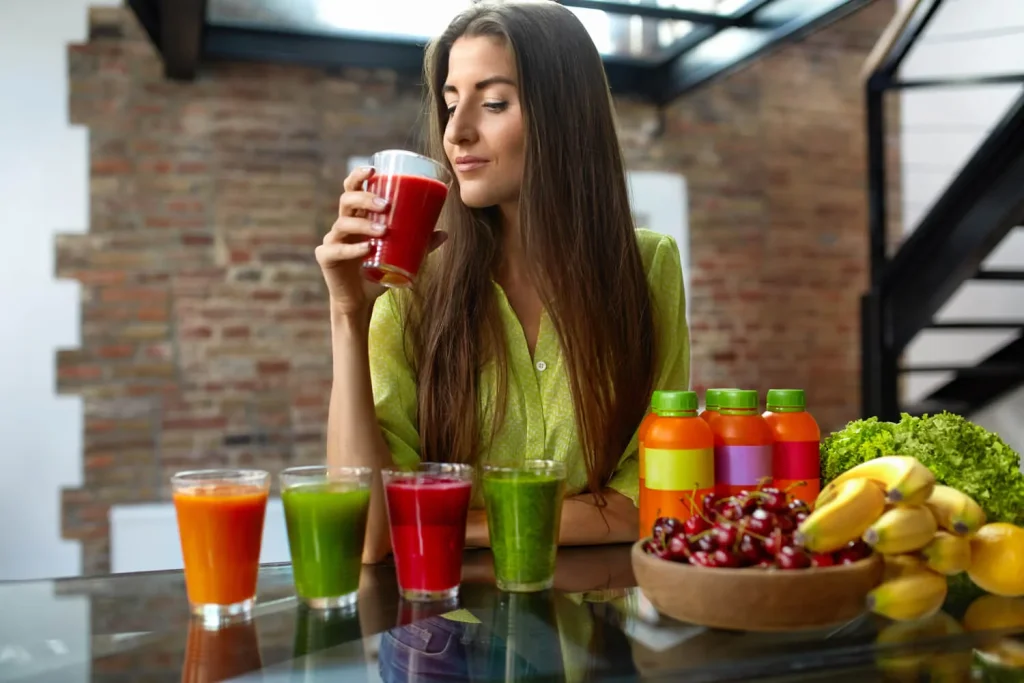
1. Health-conscious consumers (this segment prioritizes nutritious and natural beverage options. They seek out juices that are low in sugar, rich in vitamins, and free from artificial additives.
Cold-pressed juices, organic blends, and products with no added sugars are particularly appealing to health-conscious consumers).
2. Flavor enthusiasts (these consumers are interested in unique and diverse flavor profiles. They are drawn to juices featuring exotic fruit blends, herbal infusions, and innovative combinations. Varied and distinct flavor experiences drive their purchasing decisions).

3. Functional beverage seekers (this segment looks for juices with added functional benefits, such as immunity support, energy enhancement, and detoxification properties. They are willing to pay a premium for products that offer specific health or wellness benefits beyond basic nutrition).
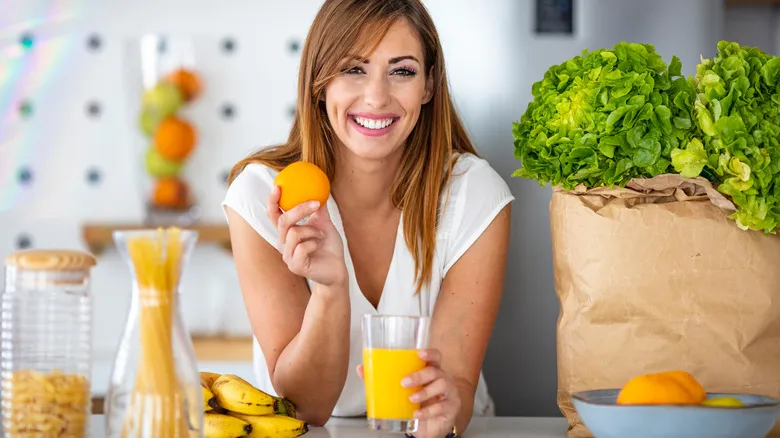
4. Convenience-driven consumers (time-pressed individuals value convenience and portability. They gravitate toward single-serve juice options, on-the-go packaging, and ready-to-drink formats. Convenience is a key factor influencing their purchasing choices).

5. Budget-conscious shoppers (price sensitivity is a defining characteristic for this consumer group. They seek value for money and are attracted to affordable juice options without compromising on quality or taste. Bulk purchase options and promotional offers are particularly appealing).

6. Ingredient-conscious buyers (this segment is focused on the ingredients used in juices. They favor products made from locally sourced fruits, high-quality natural ingredients, and transparent production processes. They are drawn to brands that emphasize the origins and nutritional benefits of their ingredients).

The juice market in England in 2023: the main players
The juice market in England shows a highly competitive environment. The majority of production is represented by 7 large companies:
- Tropicana
- Innocent
- Naked
- Juice Burst
- Copella
- Vita Coco
- Just Juice
Tropicana
Tropicana is a well-known brand of fruit juices and beverages. It is owned by PepsiCo, one of the largest food and beverage companies in the world. Tropicana is particularly famous for its orange juice, which is often marketed as 100% pure squeezed orange juice with no added sugar or preservatives. Tropicana offers a variety of fruit juices, including different flavors and blends. The brand is committed to delivering high-quality and natural fruit juices to consumers. In addition to orange juice, Tropicana produces products such as apple juice, grape juice and fruit blends.

Innocent
Innocent is a British company that produces and sells smoothies, juices, and other beverages. The company was founded in 1999 by three friends: Richard Reed, Adam Balon, and Jon Wright. Innocent is well-known for its commitment to producing natural and healthy drinks.
One of Innocent’s most popular products is its range of smoothies, which are made from a combination of fruit purees, juices, and sometimes yogurt. The company emphasizes using high-quality, ethically sourced ingredients, and their products are often marketed as being free from concentrates, artificial colors and preservatives.
In addition to smoothies, Innocent has expanded its product line to include coconut water, dairy-free almond milk and juice blends. The brand has gained a reputation for its quirky and engaging marketing, often featuring playful and humorous messages on its packaging.

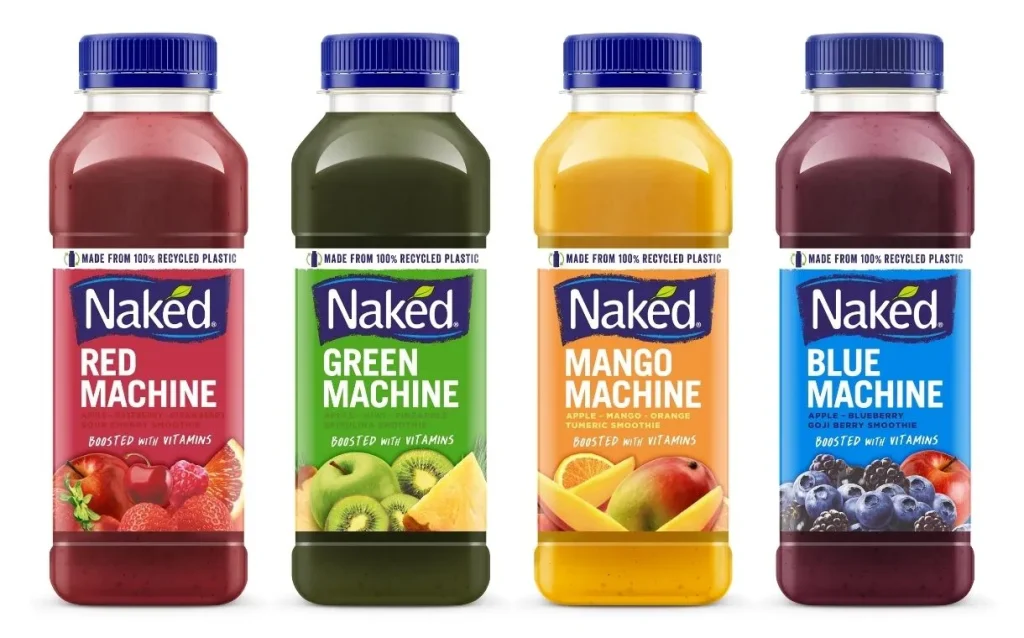
Naked
Naked is a brand known for its line of fruit and vegetable juices, smoothies and juice blends. The company is officially called Naked Juice Company, and it was founded in 1983. Naked Juice is recognized for its commitment to using high-quality ingredients, often highlighting the absence of added sugars and the inclusion of non-genetically modified organisms (GMO) in its products.
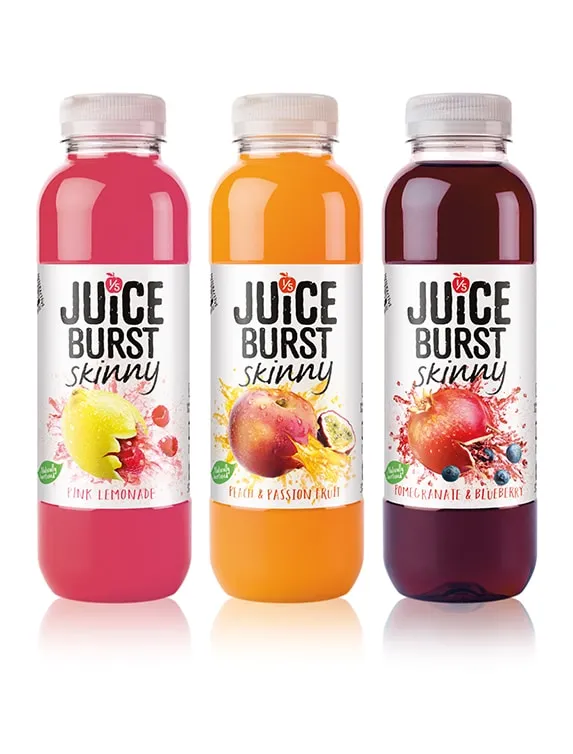
Juice Burst
Juice Burst is a brand of fruit juices and drinks. These beverages are known for their vibrant and flavorful combinations, often consisting of various fruit juices. Juice Burst products typically come in colorful and eye-catching packaging.
The Juice Burst brand is part of the Refresco Group, a leading independent bottler of beverages with operations in Europe and North America. Juice Burst is known for offering a range of juice flavors, including classics like orange, apple and tropical blends, as well as more unique or exotic combinations.
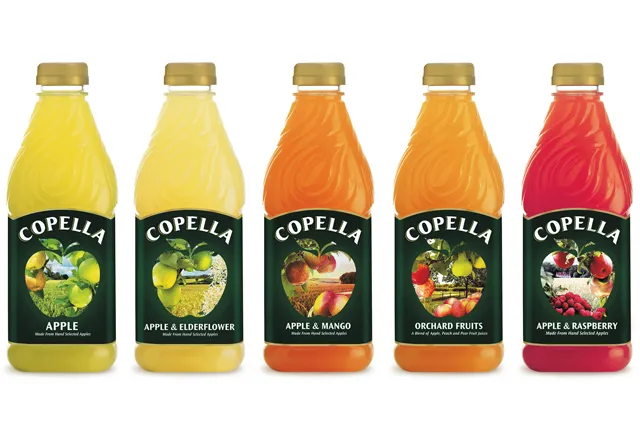
Copella
Copella is a brand of fruit juices based in the United Kingdom. The brand is well-known for its premium, high-quality apple juices, and it has a history dating back to the 1960s. Copella’s juices are often made from a blend of different apple varieties to achieve a distinctive flavor profile.
Copella has built a reputation for producing premium-quality fruit juices, with a particular focus on apple-based beverages.
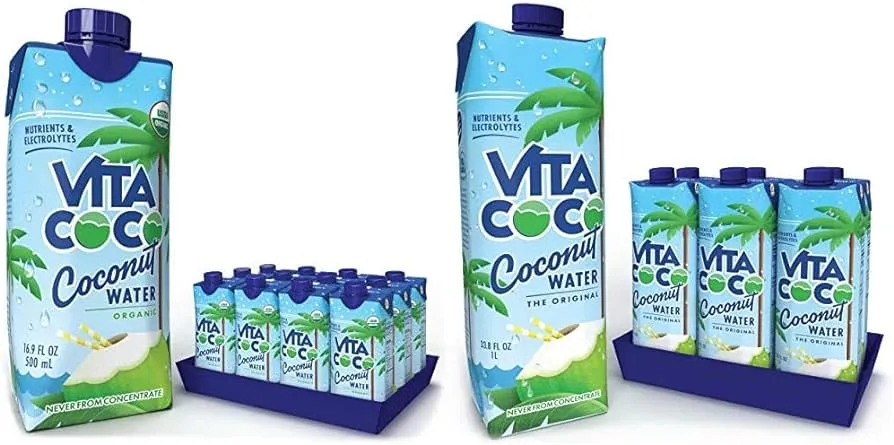
Vita Coco
Vita Coco is a brand that is primarily known for its coconut water products. Coconut water is the clear liquid extracted from young green coconuts, and it is often marketed as a natural and hydrating beverage.
Vita Coco has gained popularity as a leading brand in the coconut water industry. In addition to plain coconut water, Vita Coco offers flavored varieties, including combinations with fruit flavors like pineapple, peach and mango.
Just Juice
Just Juice is a brand of fruit juices known for offering a variety of fruit-based beverages. The brand has been around for several decades and is recognized for its commitment to providing 100% pure fruit juices without added sugars or preservatives.
The brand offers a range of fruit juice flavors, including classics like orange juice, apple juice and grape juice. Some variations may also include blends of multiple fruits.

Retail sales revenue of the leading juice and smoothie brands in convenience stores in the United Kingdom (UK) in 2023, in a million GBP

In 2022, the leading juice and smoothie brand by retail sales revenue in the United Kingdom (UK) was Tropicana. That year, Tropicana generated approximately 16.6 million British pounds in sales. The leading competitor, Innocent, generated approximately 14.3 million British pounds that year.
Market share of fruit juice in the United Kingdom in 2022, by flavor

Orange juice is definitely a classic favorite – 59,5 %. Apple juice (12,5 %) is also a timeless choice, known for its crisp flavor and widespread availability. Pineapple (3,5 %) and grapefruit juice (2,5 %) offer a more exotic twist, with their tangy, tropical notes adding a unique flair to the juice lineup. It’s fascinating to see how different fruits have carved out their own niche in the juice market, offering a variety of flavors and health benefits to consumers.
What is the benefit of these types of juice?
Different types of juices offer various health benefits due to the unique nutritional profiles of the fruits and vegetables they are made from. Here are some potential benefits associated with specific types of juices:
Orange Juice
- rich in vitamin C, which supports the immune system;
- contains potassium, which is essential for heart health;
- provides antioxidants that may help protect cells from damage.
Apple Juice
- contains antioxidants, including polyphenols;
- may contribute to heart health and lower the risk of chronic diseases;
- provides hydration and a natural source of energy.
Pineapple Juice
- contains bromelain, an enzyme with anti-inflammatory properties;
- rich in vitamin C and manganese;
- may aid digestion and reduce bloating.
Grapefruit Juice
- high in vitamin C and antioxidants;
- may help with weight management and metabolism;
- contains compounds that may lower cholesterol levels.
Berry Juices (e.g., Blueberry, Strawberry, Raspberry)
- high in antioxidants, such as anthocyanins;
- may have anti-inflammatory properties;
- supports brain health and may improve cognitive function.
Tomato Juice
- rich in lycopene, an antioxidant associated with various health benefits;
- may contribute to heart health and reduce the risk of certain cancers;
- provides vitamins A and C.

It’s important to note that while juices can offer nutritional benefits, they may also contain natural sugars, and consuming them in moderation is recommended. Additionally, whole fruits and vegetables retain fiber, which is often lost during the juicing process. Including a variety of juices as part of a balanced diet can contribute to overall health and well-being. It is advisable to consult with a healthcare professional or nutritionist for personalized dietary recommendations.
Juice market research: trends in juice packaging design
Manufacturers of juices strive to attract customers not only through unusual flavor solutions, but also through bright, unusual packaging. The following trends can be seen in the design of juice packaging:
Functional and convenient designs
Juice packaging is incorporating features that enhance convenience and usability for consumers. This includes easy-to-open caps, resealable options for multi-serve containers, and on-the-go packaging formats such as pouches or single-serve bottles suited for active lifestyles.
Emphasis on transparency
Clear and transparent packaging is on the rise, allowing consumers to see the product inside. This design approach aligns with the trend of clean labeling and the desire for visibility into the contents of the product, particularly in natural or cold-pressed juice segments.

Minimalist and sophisticated labeling
Clean, minimalist label designs featuring bold typography, simple illustrations, and limited color palettes are gaining popularity. These designs convey a premium and sophisticated image, appealing to consumers seeking high-quality, artisanal, or organic juice products.

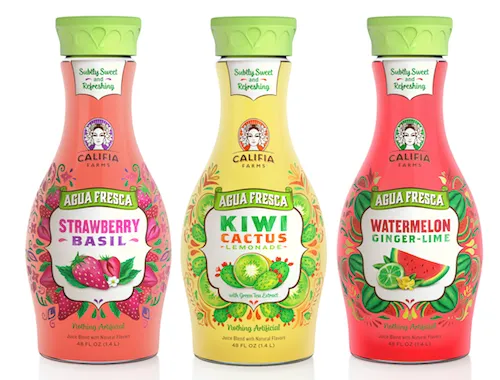
Innovative shapes and structures
Juice packaging is exploring unconventional shapes and structures to stand out on the shelves. Unique bottle designs, slim and ergonomic containers, and stackable packaging options present opportunities for differentiation and brand recognition.
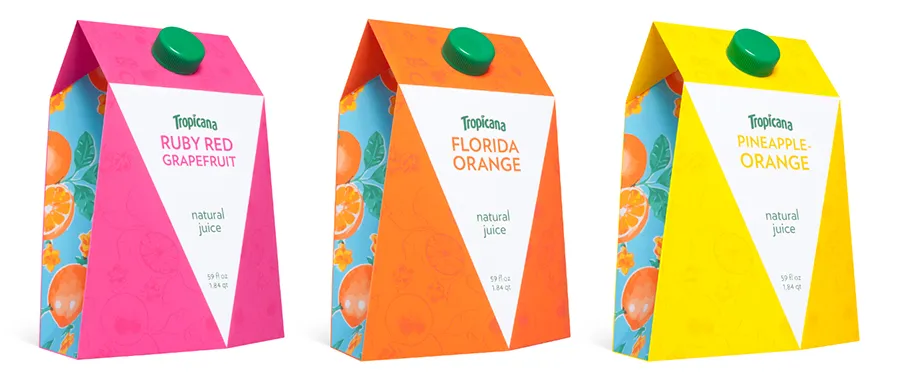
Manufacturers of children’s juices also pay great attention to packaging design. They use unusual packaging to attract the attention of young consumers.

Health and wellness messaging
Packaging designs that communicate health benefits, nutritional information, and the natural attributes of juices are resonating with health-conscious consumers. Vibrant and fresh imagery, along with clear messaging regarding ingredients and nutritional value, play a crucial role in conveying these attributes.

These trends reflect the dynamic landscape of juice packaging design, shaped by consumer preferences, industry innovations and sustainability imperatives. As consumer behaviors and market dynamics continue to evolve, juice brands are likely to further integrate these trends into their packaging strategies to capture consumer attention and respond to changing market demands.
Conclusions
The juice market in England has significant potential for growth and development due to several factors.
- Firstly, there is an increasing focus on health and wellness among consumers, leading to a growing demand for natural and nutritious beverage options. This trend has prompted consumers to seek out healthier alternatives to sugary carbonated drinks, which has created an opportunity for juice products.
- Additionally, with the rise of the wellness and fitness movements, there has been a surge in the popularity of juices and smoothies as convenient and nutritious options for consumers who are seeking to maintain a healthy lifestyle. This has led to a proliferation of juice bars, smoothie shops, and health-focused cafes across England, indicating a strong consumer interest in juice products.
- There is a growing awareness of the importance of sustainable and ethically sourced products among consumers in England. This has led to an increasing demand for organic and locally sourced ingredients, which presents an opportunity for juice producers to capitalize on the trend towards sustainability and ethical consumerism.
- In addition to these consumer trends, advancements in packaging technology and distribution channels have made it easier for juice producers to reach a wider audience and offer their products in convenient and sustainable packaging formats. This has the potential to attract more environmentally-conscious consumers and align with the overall shift towards more sustainable practices within the food and beverage industry.
- The development of the juice market in England could be further driven by innovation in product offerings. This includes the introduction of new and unique flavor combinations, functional beverages that offer specific health benefits, and the incorporation of exotic fruits and ingredients to appeal to adventurous and health-conscious consumers.
- The growing interest in plant-based diets and vegan lifestyles presents an opportunity for juice producers to develop and market products that cater to this consumer segment. By offering plant-based and vegan-friendly juice options, producers can tap into a burgeoning market of consumers seeking ethical and sustainable beverage choices.
In summary, the juice market in England has significant potential for growth and development due to growing consumer demand for healthier, more sustainable and innovative beverages. By following consumer trends, focusing on product differentiation and adapting to changing regulations and market dynamics, juice manufacturers can benefit from the opportunities presented by the changing landscape of the UK drinks industry.
Branding agency KOLORO conducts marketing research in any market. Order an office study from us and find your audience!