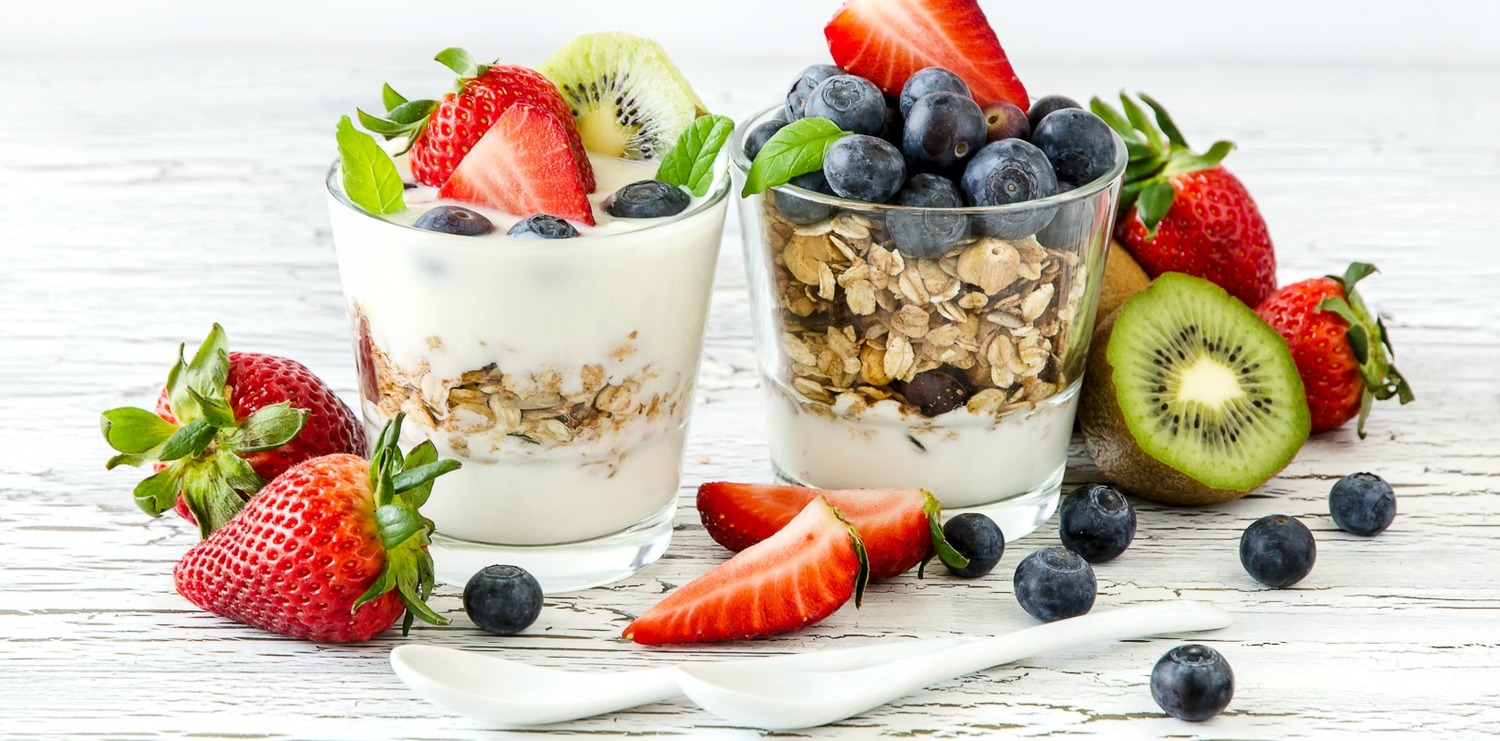
Yogurt is a widely consumed fermented milk product with a rich history and cultural significance. It is produced through the fermentation of milk by lactic acid bacteria, predominantly strains of bacteria such as Lactobacillus bulgaricus and Streptococcus thermophilus. The fermentation process involves converting lactose, the natural sugar in milk, into lactic acid, which thickens the milk and gives yogurt its characteristic texture and tangy flavor.
Beyond its delicious taste, yogurt is renowned for its nutritional benefits. It is a rich source of calcium, protein, and probiotics, which are beneficial microorganisms that support digestive health.
Additionally, yogurt comes in various forms, including those made from different types of animal milk (such as cow’s, goat’s, or sheep’s milk) and plant-based alternatives like soy, almond, coconut, and more. This diversity allows individuals to choose yogurt options that align with their dietary preferences and restrictions.
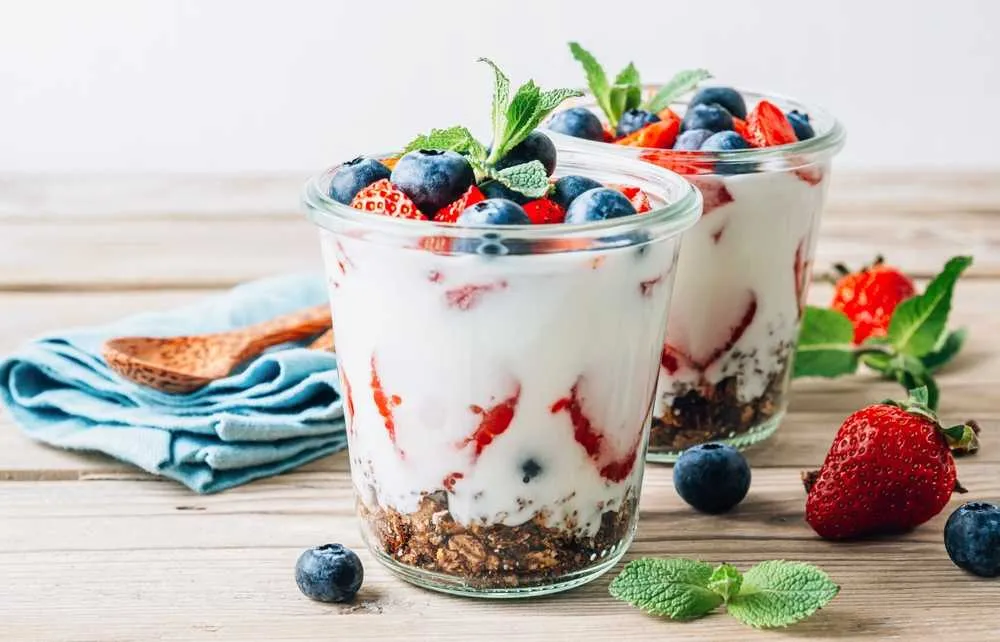
Yogurt market in the UK. General development trends
The British population exhibits a strong fondness for a wide array of yogurt products, contributing significantly to the dynamic growth of the yogurt market in the country. Yogurt has become a staple in many British households, with consumers appreciating its versatility and nutritional benefits.
The diverse preferences of British consumers have led to a flourishing market that encompasses traditional dairy-based yogurts, as well as an increasing demand for plant-based and alternative options. This broad spectrum of choices reflects the multicultural and health-conscious nature of the British consumer base.
Yogurt is often embraced as a convenient and nutritious snack or breakfast option, aligning with the busy and health-conscious lifestyles of many British individuals. The popularity of various yogurt brands, flavors, and formulations contributes to a vibrant and competitive market landscape.
The highest recorded production volume of yogurt in the UK occurred in 2020, reaching approximately 528,000 metric tons. Subsequently, this quantity has experienced a decline of slightly over 100,000 metric tons. Despite this, the sales value of yogurt and yogurt adjacent products such as buttermilk has increased to new heights in 2022.
Volume of yogurt produced in the United Kingdom (UK) from 2018 to 2022 (in 1,000 metric tons)

In the yogurt market, volume is expected to amount to 0.59bn kg by 2028. The yogurt market is expected to show a volume growth of 0.1% in 2025.
Import / Export
In recent years, Great Britain has achieved the most noticeable growth rates of purchases among the main importing countries. France (95,000 tonnes), Germany (59,000 tonnes) and Belgium (54,000 tonnes) were the main suppliers of yogurt to the UK, together accounting for 80% of total imports.
These countries were followed by Greece, Ireland, Spain and Poland, which together accounted for another 19%.
In value terms, the largest suppliers of yogurt to the UK were France ($140M), Germany ($79M) and Greece ($77M), together accounting for 70% of total imports.
Between 2021 and 2022 the exports of Yogurt grew by 11.4%, from $2.68B to $2.99B. Trade in Yogurt represent 0.014% of total world trade. In 2022 the top exporters of Yogurt were Germany ($667M), Greece ($380M), France ($365M), Belgium ($152M), and Spain ($135M).

Leading Brands in the UK Yogurt Market
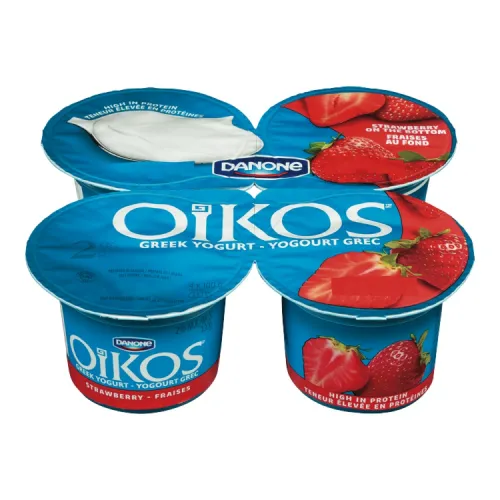
The leading companies in the yogurt market in England are Oykos, Müller, Actimel, Tesco, Asda, Nomadic, Liberte, Milbona, Dannon, Yoplait.
Oykos
Oykos is a well-known brand in the yogurt industry, recognized for its premium and indulgent offerings. The company prides itself on delivering a luxurious Greek-style yogurt experience, characterized by its exceptionally creamy texture and rich, satisfying taste. Oykos offers a diverse range of flavors, often incorporating high-quality ingredients to enhance the overall taste profile. From classic fruit combinations to innovative and exotic flavors, Oykos caters to a broad spectrum of consumer preferences.
Oykos engages in strategic advertising campaigns to promote its premium yogurt range. These campaigns often focus on the sensory experience of consuming Oykos yogurts, highlighting the luscious texture and delightful flavors. The advertising efforts aim to create a strong brand image that resonates with consumers seeking a more upscale and enjoyable yogurt experience.
Müller
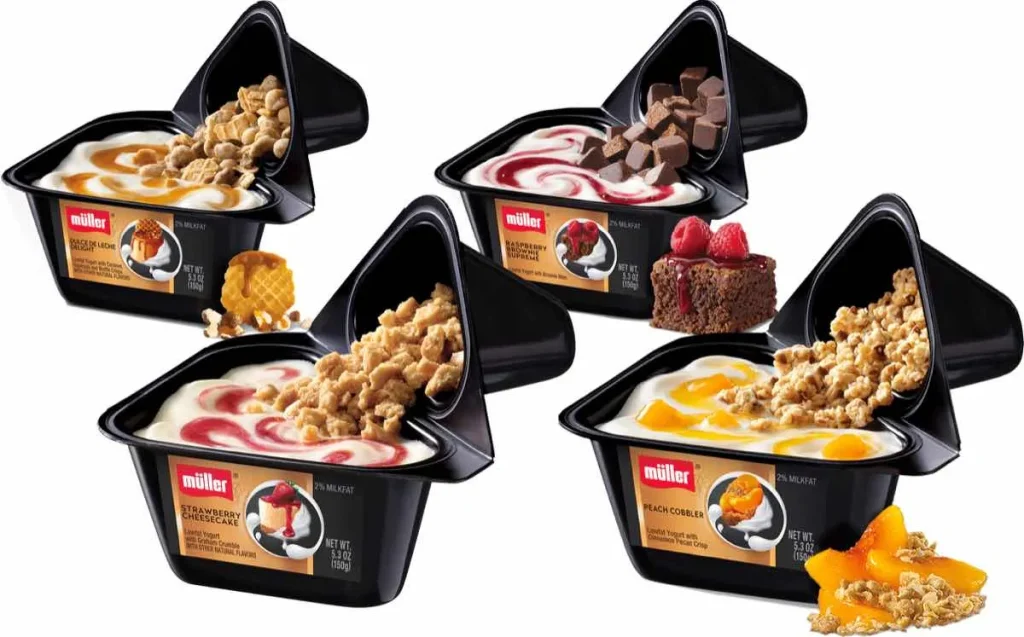
Müller is a renowned player in the yogurt industry, recognized for its diverse range of high-quality yogurt products. The company yogurt portfolio includes an extensive selection of flavors and formulations, from traditional fruit yogurts to innovative and indulgent varieties.
In terms of branding, Müller is characterized by its distinctive packaging and logo, often conveying a sense of freshness and quality. The branding strategy aims to create a recognizable and trustworthy image for consumers seeking reliable and flavorful yogurt options.
Müller engages in strategic advertising campaigns to promote its yogurt products. These campaigns often emphasize the taste, texture, and versatility of Müller yogurts, showcasing them as a convenient and enjoyable snack or meal option. The company’s advertising efforts are designed to resonate with a broad audience and highlight the unique selling points of its yogurt offerings.
Actimel
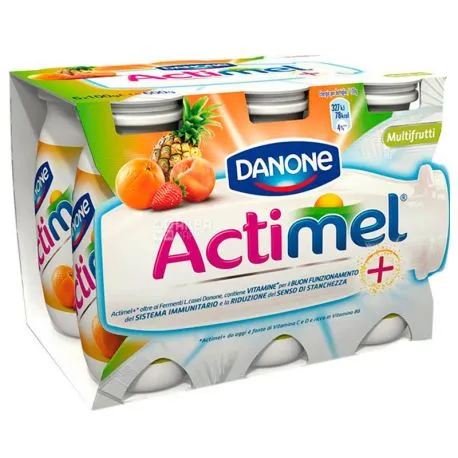
Actimel, a well-known brand in the yogurt industry, specializes in producing probiotic yogurt drinks that are designed to promote digestive health. The company is recognized for its commitment to providing products with added nutritional benefits, particularly through the inclusion of probiotics.
Actimel’s yogurt drinks typically contain live cultures, including Lactobacillus casei, which are believed to have positive effects on the digestive system. The brand is often associated with its probiotic formulations and their potential contributions to overall well-being.
Actimel is characterized by its distinctive packaging and logo, often featuring vibrant colors and health-related imagery. The brand conveys a message of vitality and wellness, aligning with the functional benefits of probiotics. The company engages in strategic advertising campaigns that focus on the health benefits associated with its probiotic yogurt drinks. These campaigns often highlight the role of probiotics in supporting the immune system and maintaining a healthy gut, contributing to the overall messaging of well-being.
Tesco
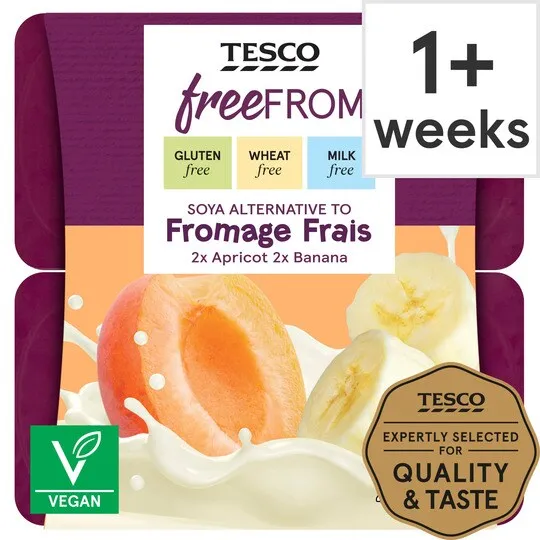
Tesco, a leading supermarket chain, has a significant presence in the yogurt market, offering a diverse range of yogurt products under its private label. The company is known for providing a variety of yogurt options, catering to different tastes and dietary preferences of its customers.
The company employs a recognizable and trusted brand image, often using its own label for yogurt products. The branding emphasizes reliability, quality, and affordability, reflecting Tesco’s commitment to meeting the needs of its customers. Advertising campaigns often focus on highlighting the range of yogurt options available, along with emphasizing competitive pricing, quality, and the convenience of purchasing these products in Tesco stores.
Asda
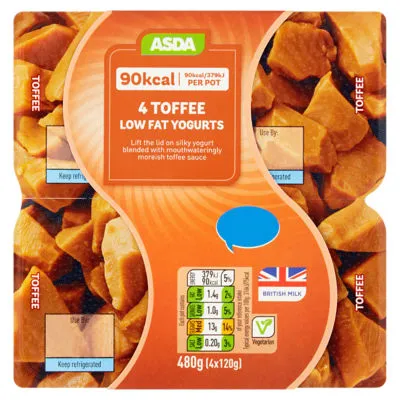
Asda, a prominent supermarket chain in the UK, has a significant presence in the yogurt market, offering a diverse range of yogurt products under its private label. The company is known for providing a variety of yogurt options, catering to different tastes and preferences of its customers. The supermarket chain places an emphasis on affordability, making its yogurt products accessible to a wide range of customers.
Asda employs a distinctive and recognizable label for its yogurt products. The branding often conveys a sense of value, quality, and reliability, aligning with Asda’s commitment to offering affordable and high-quality grocery items. The company engages in strategic advertising campaigns to promote its private-label yogurts. Advertising efforts focus on communicating the value and variety of yogurt options available at Asda stores, often highlighting competitive pricing and appealing to a broad audience.
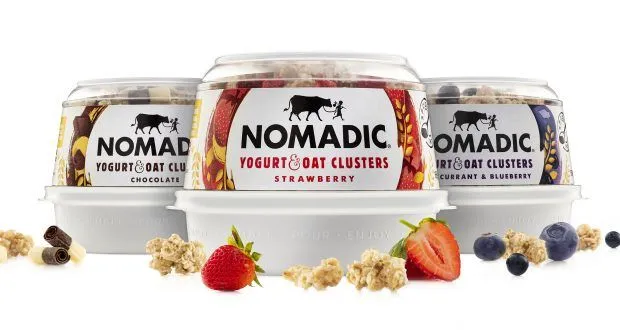
Nomadic
Nomadic is a notable brand in the yogurt industry, celebrated for its focus on natural and organic yogurt products. The company yogurt products often feature premium ingredients, and the brand emphasizes the use of natural and organic components in its formulations. The branding communicates a message of authenticity and transparency, aligning with the values of consumers who prioritize ethical and environmentally friendly food choices.
Nomadic engages in strategic advertising that emphasizes the natural and organic qualities of its yogurt offerings. Advertising campaigns often highlight the brand’s commitment to quality ingredients, the absence of artificial additives, and the overall health benefits associated with choosing Nomadic yogurts.
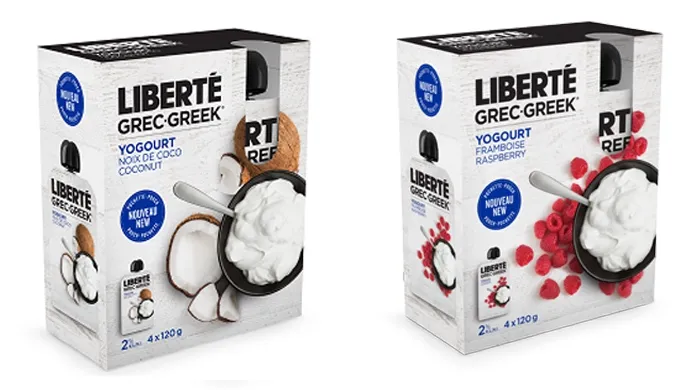
Liberté
Liberté is a well-established brand known for its premium and indulgent Greek-style yogurts. The company has earned a reputation for delivering a rich and creamy yogurt experience, distinguishing itself with a focus on quality and unique flavor combinations.
Liberté engages in strategic advertising campaigns to promote its premium Greek-style yogurts. These campaigns often highlight the luscious texture, authentic taste, and innovative flavor combinations, creating a strong brand image associated with indulgence and sophistication.
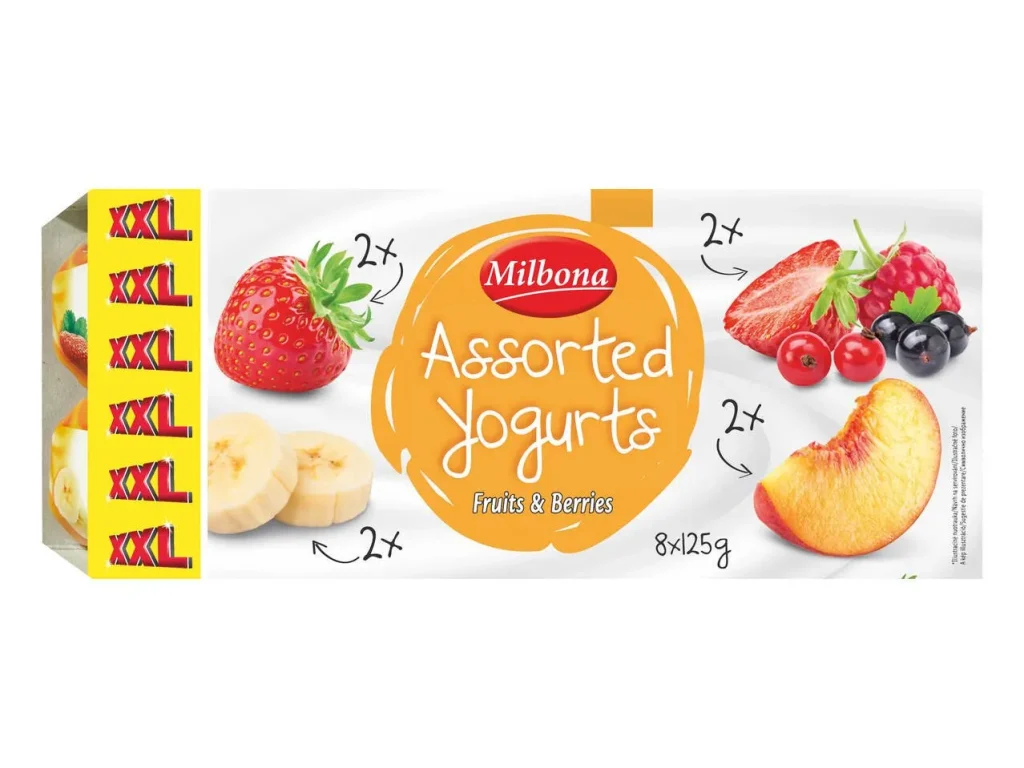
Milbona
Milbona is a private label brand offering a variety of yogurt products, typically available in select supermarkets. The yogurt offerings from Milbona include a diverse range of flavors and types, catering to various consumer preferences. The brand is known for providing accessible and budget-friendly yogurt choices while maintaining a commitment to quality.
Milbona’s advertising strategy often revolves around in-store promotions and displays within the supermarkets where its products are sold. While the brand may not engage in large-scale advertising campaigns, its visibility in-store is crucial to attracting customers seeking economical yet satisfactory yogurt options.
Dannon
Dannon is a global dairy company renowned for its extensive range of yogurt products and a strong presence in various markets. Dannon’s yogurt offerings include a diverse array of flavors and formulations, ranging from traditional styles to innovative and health-focused varieties. The brand is often associated with its Greek yogurt, Activia probiotic yogurt, and traditional yogurts, providing options to cater to different consumer preferences.
Dannon engages in extensive advertising campaigns to promote its yogurt products. These campaigns often highlight the health benefits associated with specific product lines, such as the digestive health claims of Activia, creating a strong brand identity linked to overall well-being.

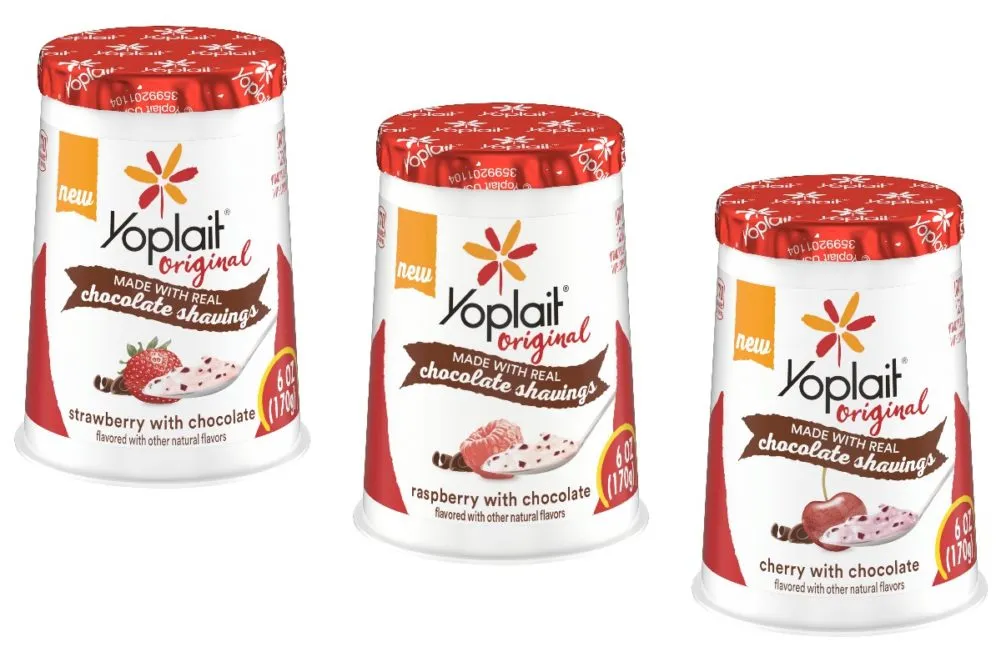
Yoplait
Yoplait is a prominent international dairy company celebrated for its extensive range of yogurt products. The brand is particularly recognized for its smooth and creamy texture, making its yogurts a popular choice among consumers seeking a delightful and satisfying experience.
Yoplait employs a vibrant and recognizable image, often featuring its iconic inverted spoon logo on packaging. The branding strategy emphasizes freshness, flavor, and a connection to the enjoyment of yogurt, creating a strong brand identity.
The company engages in strategic advertising campaigns to promote its yogurt products. These campaigns often focus on the enjoyable and indulgent aspects of consuming Yoplait yogurts, with an emphasis on flavor, quality, and a healthy lifestyle.
In the competitive yogurt market, these companies continuously strive to meet consumer expectations by offering a variety of tastes and packaging designs that align with current trends and preferences.
What consumers primarily focus on when selecting yogurt is the key consideration
1. The taste and texture of yogurt are crucial considerations for buyers. Preferences may vary, with some favoring smooth and creamy yogurt, while others may prefer a thicker or more liquid consistency.
2. Sugar and fat content. Increased awareness of health has led many buyers to scrutinize the sugar and fat content in yogurt. There is a preference for options with lower calories, less sugar, and reduced fat.
3. Presence of probiotics. Given the health benefits associated with probiotics for gut health, some buyers actively seek yogurt products that explicitly mention the presence of probiotics.
4. Milk type. Traditional dairy-based yogurts face competition from alternative milk types like soy, almond, coconut, and others. Buyers may choose yogurt made from these alternative milks based on dietary preferences or lactose intolerance.
5. Brand reputation. Some buyers trust specific brands for their quality and consistency.
6. Nutritional value. Beyond sugar and fat, buyers often consider the overall nutritional value of yogurt, looking for a good source of protein, vitamins, and minerals.
7. Packaging. Clear and informative packaging can attract attention and communicate aspects like flavor and nutritional information effectively.
8. Price and affordability. The cost of yogurt is an essential factor for many buyers. They often seek a balance between quality and affordability, considering the value for money.
Individual preferences and dietary requirements can greatly influence the priorities of yogurt buyers. These factors collectively contribute to the dynamic and diverse yogurt market.
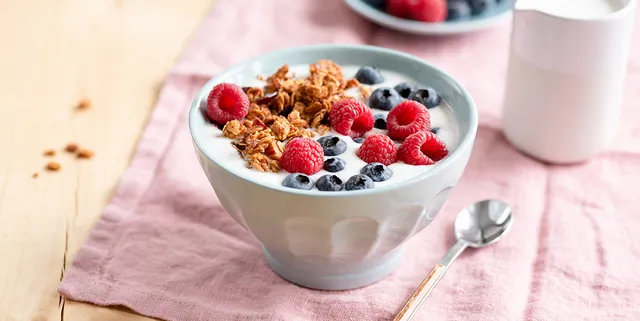
In summary, the yogurt industry’s future growth hinges on strategic branding and marketing initiatives. Emphasizing health benefits, exploring innovative flavors, and expanding plant-based options are key areas for differentiation. Sustainable practices, personalized experiences, and effective digital engagement will be pivotal in connecting with consumers and building brand loyalty. Premium positioning, packaging innovations, and a focus on local sourcing contribute to a holistic approach for industry players. By aligning with evolving consumer preferences, the yogurt industry can thrive and maintain a competitive edge in the marketplace.
Branding agency KOLORO can conduct marketing research of any market for you. Our specialists will collect and analyze information (office research), analyze competitors, select partners and suppliers.
In addition, the KOLORO company develops the design of flexible packaging. Beautiful and original packaging always favorably highlights the product on the shelf and stimulates customers to purchase the product. We can also develop a logo, slogan, corporate style, brand legend for you, we will conduct the first edition of packaging, etc.