

In today’s conditions, competition in the market of pasta products is growing significantly, which poses a challenge to manufacturers in attracting the attention of consumers and maintaining leadership positions. Our research includes an analysis of the main trends in the industry, including the leading companies occupying key positions in the UK market, as well as current trends. We will reveal the characteristics of the target audience, which will allow you to better understand their requirements and preferences, as well as reveal the selection criteria that affect the level of sales.
KOLORO services are aimed at leaders or those who wish to become leaders. Annual revenue from sales of brands created by KOLORO is more than 1 billion dollars. This exceeds the budgets of some countries in the world! The secret of success is the creation of an informative design, in which every bend of the package and every raster point conveys certain information, useful and convenient for users, united by common communication of positioning.
General characteristics of pasta products
Pasta is a popular and versatile food that is enjoyed by people all around the world. Originating from Italy, pasta comes in various shapes and forms, and it serves as a staple in many cuisines. It is a versatile ingredient that can be paired with a wide range of sauces, meats, vegetables, and other accompaniments, making it a favorite in various culinary traditions.
Pasta dough is prepared mainly from wheat flour and water, but sometimes rice, buckwheat flour, starch, various food colorings, eggs, herbs and more are also used.
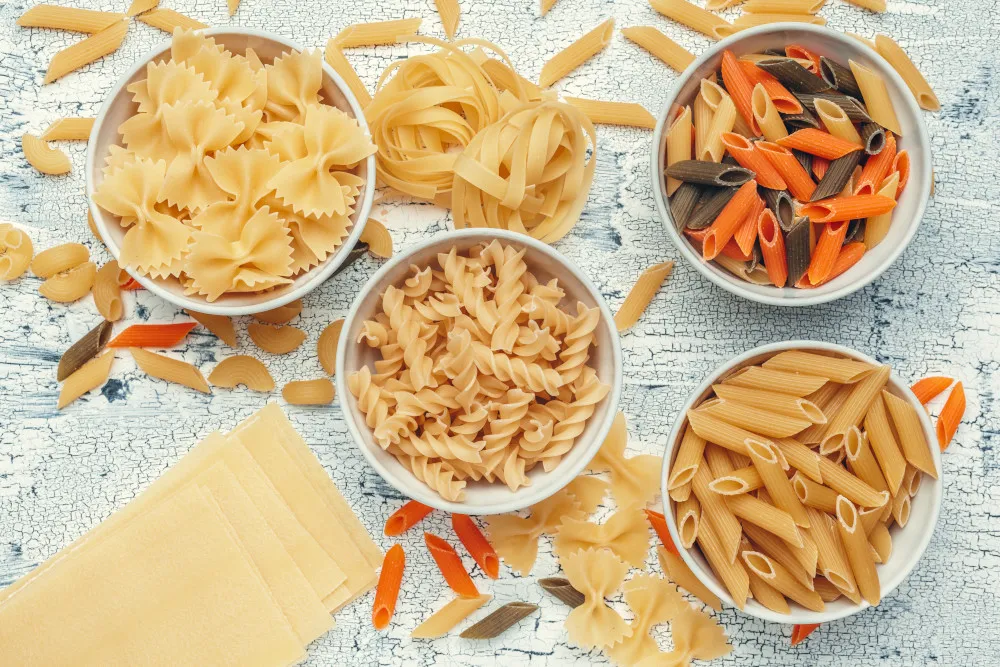
Durum pasta contains a significant content of the following nutrients: B vitamins; niacin (PP); iron; calcium, potassium; magnesium; phosphorus; sodium; tryptophan; riboflavin; protein, as well as fiber, which, firstly, slows down the absorption of carbohydrates, preventing a sharp increase in glucose concentration, due to which this product has a low glycemic index, and secondly, fiber helps reduce cholesterol and low-density lipoproteins, which are one of the development factors diseases of the cardiovascular system. One of the pleasant properties of pasta is its low fat percentage – less than 1%, while this fat is unsaturated and has a number of beneficial properties.
Soft wheat is characterized by a relatively small amount of protein (from 6 to 10%) and lower gluten content.
Flour from soft varieties is characterized by greater bulk, larger starch grains and lower gluten content. These qualities were the main reason for its use specifically for baked goods.
A distinctive feature of durum pasta is that most of these substances are retained after grinding, while in pasta made from soft wheat, mainly starch and gluten remain after grinding.
The volume of the pasta market
The pasta market in the United Kingdom was equal to 664 million USD (calculated in retail prices) in 2015. Until 2025, the pasta market in the UK is forecast to reach 882.72 million USD (in retail prices), thus increasing at a CAGR of 2.51% per annum for the period 2020-2025.
The average consumption per capita in value terms reached 10.21 USD per capita (in retail prices) in 2015. In the next five years, it grew at a CAGR of 2.93% per annum. In the medium term (by 2025), the indicator is forecast to slow down its growth and increase at a CAGR of 1.61% per annum.
Number of Pasta Manufacturers in The UK
The total number of Pasta Manufacturers in the UK is 77. The largest number of British Pasta manufacturers are located in London, with a 31% market share in the UK Pasta Manufacturing industry (24 pasta manufacturers).
Following closely is Norfolk, contributing 5 pasta manufacturers, which accounts for 4% of the market share.
Hertfordshire also boasts a significant presence with 4 pasta manufacturers.
When considering these three regions collectively, they command a substantial 43% market share within the United Kingdom’s pasta manufacturing industry.
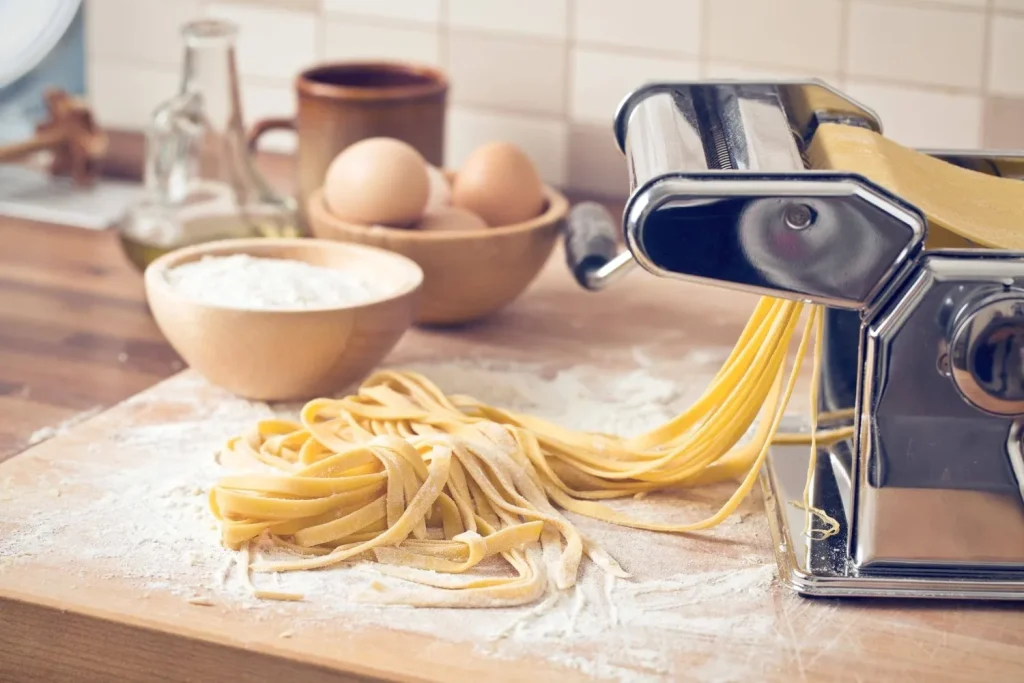
The UK’s favourite pasta
The unassuming fusilli claims the top spot, with 21% of British adults designating the corkscrew shape as their preferred pasta. Spaghetti, translating to “thin string” from Italian, closely follows with 17% of the votes, securing a strong second place.
The British favourite pasta

The intricately cut penne, devised in 1865 to emulate a pen nib, secures the third spot, garnering 13% of preferences.
Tagliatelle, the ribbon-shaped pasta originating from Bologna, clinches fourth place, favored by one in ten (11%) Britons. A generational divide emerges regarding tagliatelle, with 13% of those aged over 65 selecting it as their favorite, in contrast to only 7% of 18 to 24-year-olds.
In fifth place, we find tortellini, the lone stuffed pasta within the top eight. The disputed origin between Bologna and Modena does not overshadow its popularity, as 8% of Brits favor these small pasta parcels. Once again, a generational contrast is evident; young Brits show enthusiasm (14%), while only 3% of those aged over 65 share the same sentiment.
Pasta shells, or conchiglie as they are properly known, secure another 8% of the British preferences. Notably, adults under 25 exhibit a stronger inclination (13%) towards conchiglie compared to the general population.
The bow tie-shaped farfalle, originating from Italy’s Lombardy region, claims the seventh spot with 5% of the vote, followed by macaroni, which also captures 5% of preferences.
Leading Brands in the Pasta in the UK
Barilla
Barilla is one of the world’s largest pasta manufacturers and a leading Italian food brand. The company was founded in 1877 by Pietro Barilla in Parma, Italy. The company produces a wide variety of pasta shapes, including spaghetti, penne, fusilli, farfalle, and many more. They offer both traditional and specialty pasta products. Barilla emphasizes the use of high-quality ingredients and traditional pasta-making methods.

Napolina
Napolina is an Italian food brand that is recognized for offering a diverse range of products. The brand’s product range reflects the versatility of Italian cuisine, offering consumers the ability to create a wide array of traditional and contemporary dishes.

De Cecco
De Cecco was founded in 1886 in the Abruzzo region of Italy by the De Cecco brothers. The company has a long history and has been committed to the traditional art of pasta-making for over a century. De Cecco offers a wide range of pasta shapes, including spaghetti, penne, fusilli, rigatoni, and many more. Their diverse pasta portfolio caters to various culinary preferences and applications.

The Fresh Pasta Company
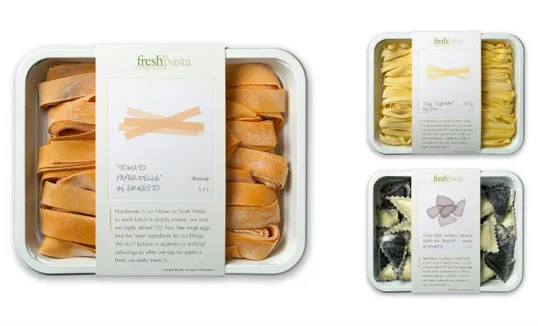
The Fresh Pasta Company is a London-based company that specializes in producing handmade fresh pasta. The Fresh Pasta Company likely offers a variety of fresh pasta options, including different shapes and varieties. They may also provide filled pasta, such as ravioli or tortellini, with various fillings.
Dell’Ugo
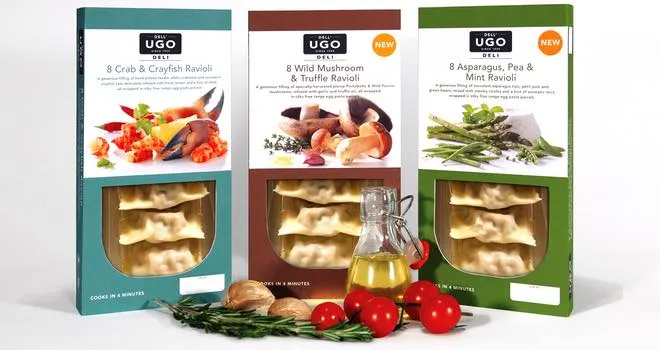
Dell’Ugo is a British company known for producing a range of fresh pasta and sauces. Dell’Ugo specializes in fresh pasta products, offering a variety of pasta shapes and fillings. They may also produce accompanying sauces and other Italian-inspired food products. The company is known for using high-quality ingredients in the production of its fresh pasta. This commitment to quality contributes to the authenticity and flavor of their products.
Rustichella d’Abruzzo
Rustichella d’Abruzzo is an Italian company that is renowned for producing high-quality pasta. Rustichella d’Abruzzo is known for using durum wheat semolina in its pasta production. The company offers a wide range of pasta shapes, including traditional ones like spaghetti and penne, as well as more unique and artisanal shapes.

Sales channels
For enterprises involved in the pasta business, the sale of finished products is vital. It depends on the level of quality of pasta, the financial capabilities of enterprises, the remoteness of consumers, and the income of the population.
Manufacturers of high-quality products organize a dealer network, in which wholesale warehouses most often serve as dealers. The products of some leading enterprises are sold by distributors, who most often own stakes in these enterprises.
Recipients of high-quality products sell them through large stores, restaurants, cafes, hypermarkets and supermarkets.
Some pasta producers also enter into agreements with state-owned trading enterprises and sell their products on wholesale food markets.
It should also be noted that recently, various online sales on various product marketplaces have become a popular sales channel for pasta products.
Trends in pasta design and packaging
Sustainable Packaging
With an increasing emphasis on sustainability, there has been a growing trend toward eco-friendly and recyclable packaging for pasta. Brands were exploring options such as compostable materials, minimalist designs to reduce waste, and the use of recycled content.
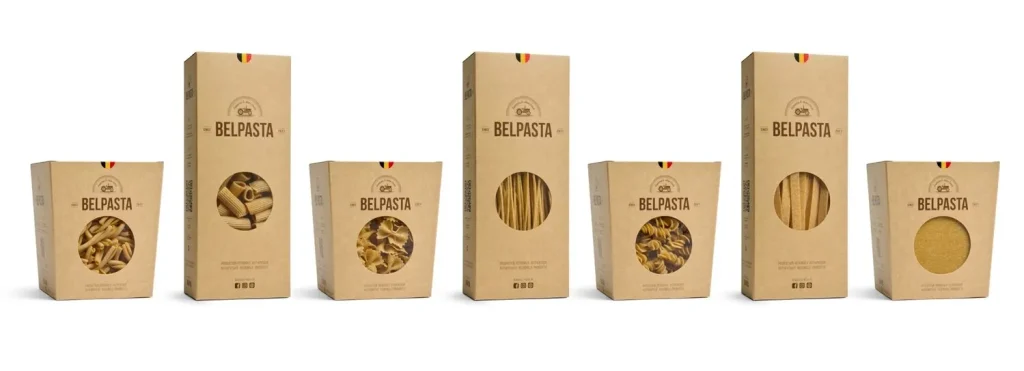
Innovative Shapes and Flavors
Pasta brands were experimenting with unique shapes and flavors to stand out in the market. Unconventional pasta shapes, colors, and ingredients beyond traditional wheat flour were gaining popularity, appealing to consumers looking for novel culinary experiences.
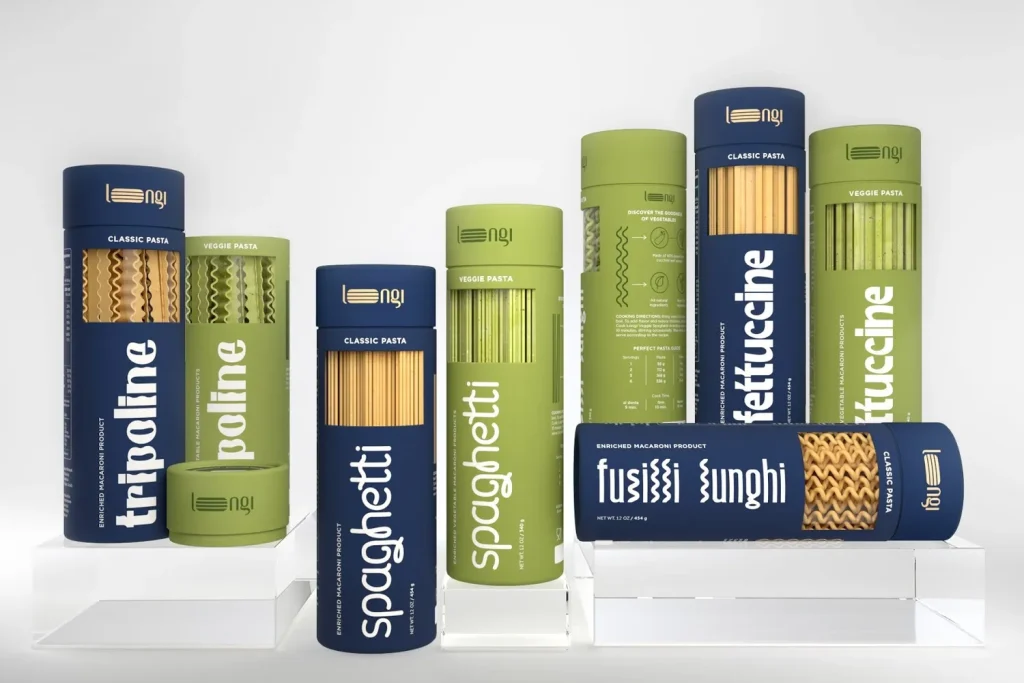
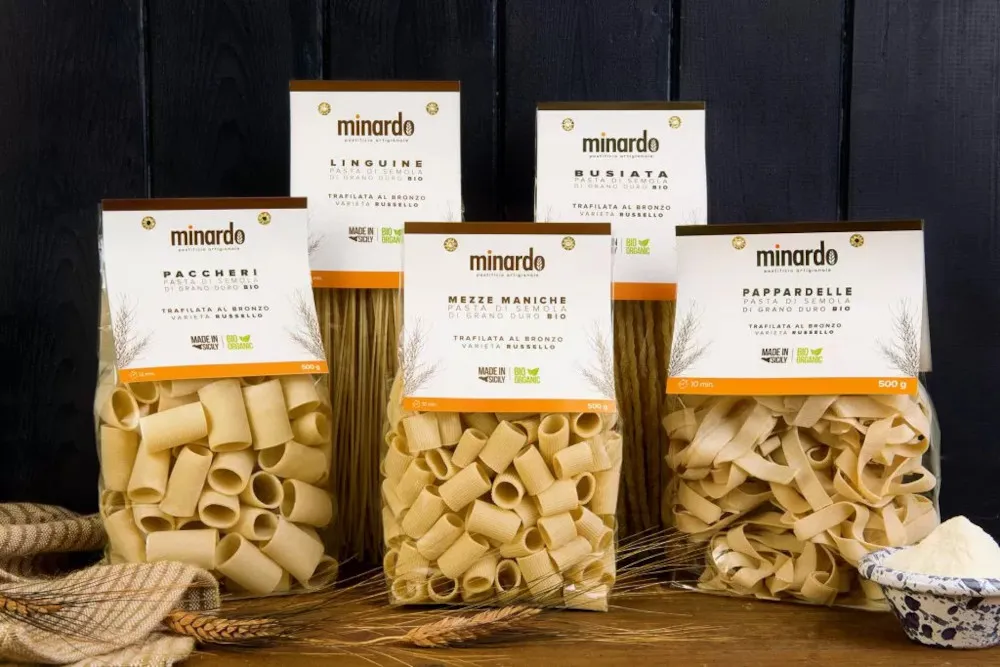
Transparent Packaging
Transparent or clear packaging allows consumers to see the quality and appearance of the pasta inside. This transparency contributes to consumer trust and provides a visual appeal, especially when the pasta has unique colors or features.
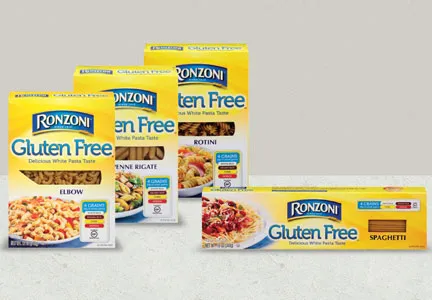
Health-Focused Packaging
As consumers increasingly prioritize health and wellness, pasta packaging often emphasizes nutritional benefits, such as whole grain content, gluten-free options, or the presence of added vitamins and minerals. Clear labeling of nutritional information is a key aspect of health-focused packaging.
Convenience Packaging
Packaging designed for convenience, such as resealable pouches or single-serving portions, was gaining popularity. This trend caters to busy lifestyles and encourages portion control.
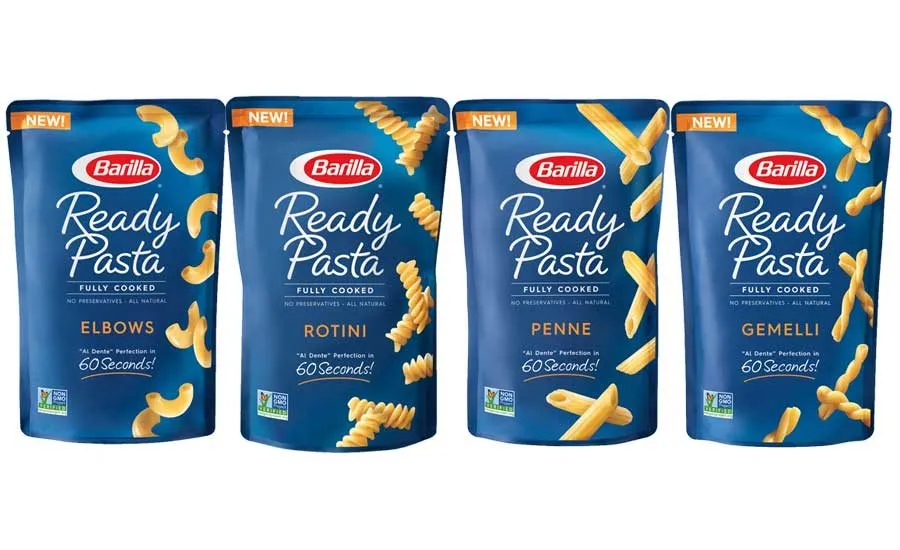
These trends reflect the dynamic nature of the food industry, where packaging is not only functional but also plays a crucial role in attracting consumers and conveying brand values.
Target audience analysis
Pasta is included in the mandatory list of socially significant food products; they are stored for a long time, are characterized by an attractive price, high nutritional value, and quick and easy preparation. This determines stable demand for this type of product.
To study consumer preferences in the pasta market, a survey method was chosen. The representativeness of the sample was ensured by the procedure of random selection of respondents and the correspondence of the socio-demographic structure of the sample and the structure of the general population of the study population. The collected data was subjected to statistical processing.
Women made up the majority of respondents (64%), because they make purchases more often, know offers and prices better, and are easier to make contact with.
Nutrition results of respondents with official affiliation

Age of respondents: from 19 to 24 years inclusive – 16%, from 25 to 44 years – 57%, 45 to 59 years – 20%, from 60 years and older – 7%.
Distribution of respondents by age

Most of the respondents have higher education – 43%, specialized secondary education – 21%, secondary education – 13%, secondary technical education – 11%, incomplete higher education – 7%, vocational education – 5%.
Distribution of respondents for equal coverage

The results of marketing research made it possible to identify the main criteria for choosing pasta (famous brand of the manufacturer, quality of pasta, price of the product, manufacturer).
The results of marketing research

Specifics of consumption
Many people do not associate pasta with proper nutrition, much less with weight loss. Almost all diets exclude flour products in any form, but in fact, giving up pasta is not so justified.
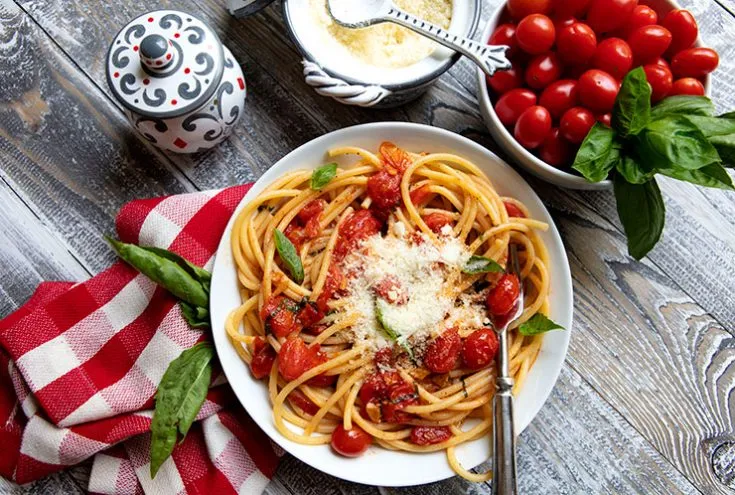
Real pasta made from durum wheat consists of fiber, which is poorly absorbed, but perfectly saturates the body and satisfies the feeling of hunger. Excess weight does not appear because of the pasta itself, but because of what you eat it with. Fiber also plays the role of a sorbent, which allows you to naturally remove toxins from the body. In the UK, pasta is usually served with meat, mushrooms, cheese, vegetables or rich sauces.
Pasta is cooked in two ways
| Drain method | Non-draining method |
| Place pasta, noodles, and vermicelli in boiling salted water and cook, stirring occasionally, until tender. The higher the ratio of water to pasta, the faster the water boils after adding pasta, the higher the quality of the finished product. The boiled pasta is thrown into a sieve or colander and washed with hot water, transferred to a bowl, seasoned with melted fat, and stirred with a wooden spoon so that they do not stick together and lumps do not form. When cooked, pasta increases in volume by 2-3 times due to the absorption of water by gelatinizing starch. This increase is called weld and is 150%. | Add pasta to boiling salted water and cook until thickened, stirring. At the end of cooking, add fat, cover with a lid, and cook over low heat in the same way as porridge. The weld is 200-300%. In this way, pasta is cooked, which is then used to prepare baked dishes. |
Pasta should be eaten fresh, because if you heat it up, especially in the microwave, starch, the most important carbohydrate in flour, becomes modified and is difficult to digest. As a result of repeated processing, electrons can be said to be removed from it, and the pasta already contains free radicals.
Free radicals are substances that cause mutations in cells, these are harmful substances, then “mountains” of antioxidants are needed to remove them from the body and neutralize their harmful effect.
As for when it is better to eat which pasta, it is better to eat pasta made from soft wheat varieties only in the first half of the day, so that you have time to spend the energy received. But it is advisable to have durum wheat pasta for dinner, especially if a person has trouble sleeping, because the amino acids contained in them promote the synthesis of neurotransmitters and have a sedative effect on the nervous system. Eating pasta at night is also recommended because it contains manganese, which affects the central nervous system and increases drowsiness.
Prospects for the development of the paste market
1. Expansion of the assortment. Manufacturers can introduce new types of pasta as well as special and innovative options to meet the changing tastes of consumers.
2. Health and functionality. The growing interest in healthy lifestyles may lead to the production of pasta products from alternative types of flour, such as whole grains, or the addition of functional ingredients to improve nutritional value.
3. Steel technologies and innovations. Manufacturers can introduce new production and packaging technologies to improve product quality and attract consumer attention.
4. Gastronomic and cultural influences: An interest in gastronomy and cultural diversity can stimulate producers to create products that reflect different culinary traditions and customs.
5. Digital marketing strategy. Using digital media and social media to advertise and interact with consumers can help promote products and increase brand awareness.
Conclusions
Modern trends in the pasta market indicate its constant growth. Consumers increasingly prefer quality pasta products made from durum flour, as such products have better texture and taste.
In addition to product quality, packaging is also becoming an important factor for consumers. Many of them prefer the simplicity and unique packaging design. An original and aesthetically appealing design can attract the attention of consumers on store shelves and encourage them to buy.
In particular, ecological packaging is becoming more and more popular among consumers. They are actively looking for products that have a minimal negative impact on the environment, so manufacturers that use environmentally friendly packaging materials can have a competitive advantage in the market.
Do you want to order a marketing research? KOLORO provides market analytics services. Write to us!