Branding agency KOLORO
KOLORO services are focused on leaders, or those who want to become leaders. Brands created by KOLORO have annual revenues of more than 1 billion dollars. Which exceeds the annual budgets of some countries of the world!
We conduct competitor and market research, identify trends and best practices in the industry. This will help us understand how we can stand out from the competition and create a unique brand design.
Eggs as a valuable food product
Eggs are one of the most ubiquitous foods for humans, frequently eaten and an integral part of the diet of most people on the planet. It contains all the nutrients necessary for the human body and bioactive substances that are easily absorbed by the human body. In terms of nutritional value, 1 egg is equivalent to about 40 grams of meat and 20 grams of milk.
An egg satisfies a person’s need for vitamin B2 by 10-12%, D – by 10-40%, A – by 15-16%, B12 – by 50-100%. Egg protein is almost 100% digestible by the human body, contains essential amino acids, lysozyme, and has a bactericidal effect. The yolk is the main source of nutrients and energy in eggs. The chemical composition of egg yolk is about half dry matter, including 29-32% lipids, 16-17% protein, and 1% each of carbohydrates and minerals.

Under British and European law, the quality of eggs has 2 classes: A and B.
Grade A (this is the highest grade. They are naturally clean and fresh eggs, internally intact shell, perfect with air sacs that do not exceed 6 mm deep. The yolk should not be separated from the center of the egg when turning. Grade a eggs are sold as shell eggs)
Grade B (These eggs are broken and pasteurized)
Industrial eggs (these are for non-food use and are used in products such as shampoos and soaps)
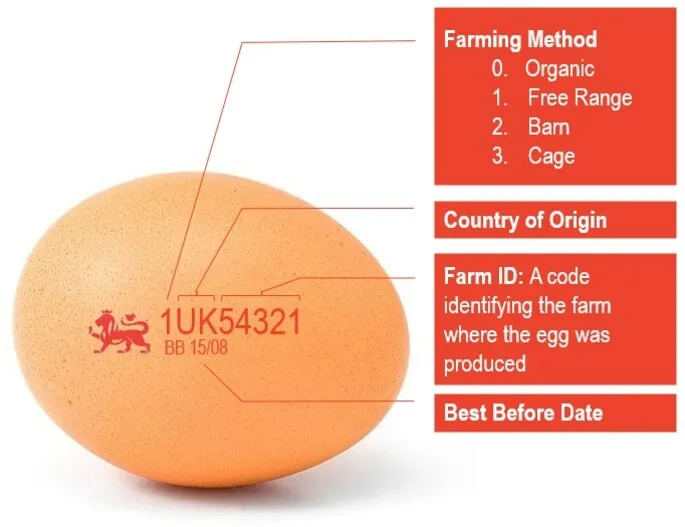
All Class A eggs should be marked with a code indicating the type of agricultural system, the country of origin and the unit of production. In addition, British lion eggs have a shelf life on their shells and have a lion logo.
Egg production
Organic egg production
The chickens that produce organic eggs are always free range. In addition, the hens must be fed organically produced feed and raised on organic land.
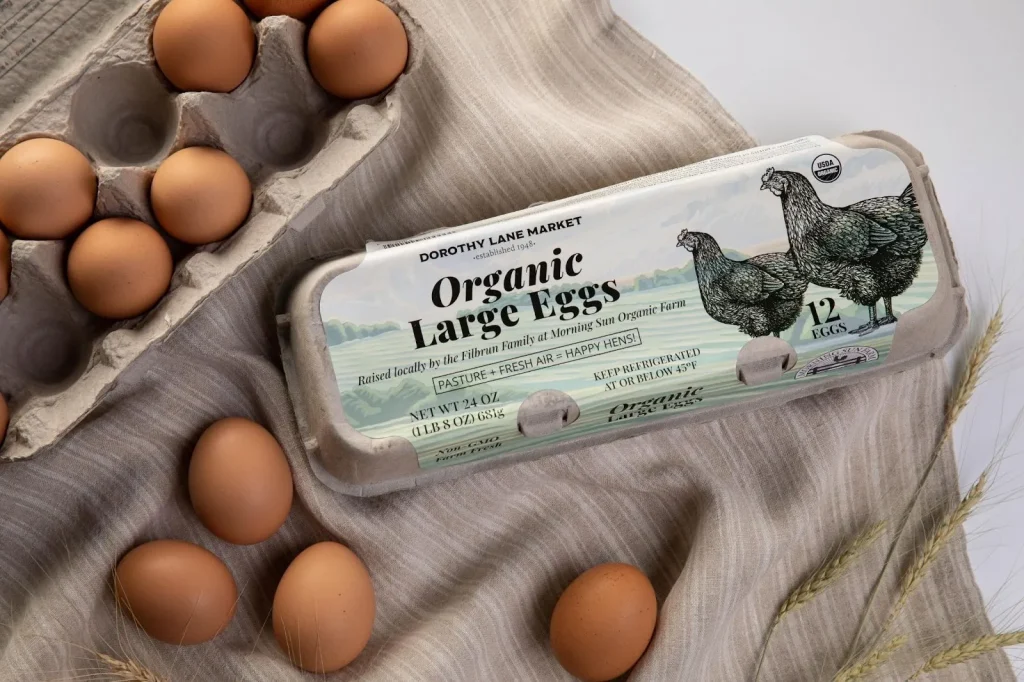
EU organic regulations regulate the conditions under which organic chickens are kept, specifying a maximum stocking density of 6 hens per square meter of available area and a maximum flock size of 3,000 birds. Hens must be equipped with laying boxes. There must also be enough perches to provide 18cm of seating space for each hen. Bedding covering one third of the floor area must be provided for scratching and dust protection.
Barn egg production
In the barn system hens are able to move freely around the house. The EU Welfare of Laying Hens Directive stipulates a maximum stocking density of 9 hens per square metre of useable area. Perches for the hens must be installed to allow 15 centimetres of perch per hen. Litter must cover one-third of the soil surface. This is used for scratching and dust bathing.
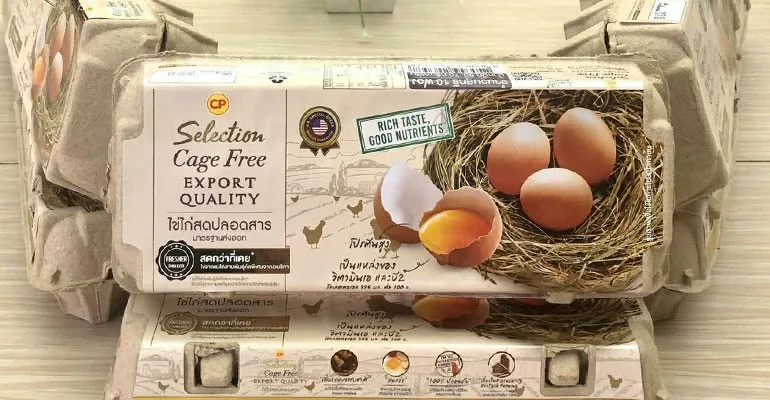
One nest box per five hens or communal nests, at the rate of 120 birds/m² of floor area, is provided. Linear feeders provide at least 10 cm per hen, or circular feeders provide at least 4 cm per hen. There is also ample drinking space for each hen. Water and feeding troughs are elevated so that the specially prepared feed does not scatter. Electric lighting is provided to ensure optimal day length throughout the year. After the installation period, the house will be thoroughly cleaned and disinfected.
Free range egg production
The EU egg marketing regulations state that eggs considered “free range” can only be obtained during the day if the chickens are mainly covered by vegetation and are stocked at a maximum density of 2,500 birds per hectare. The feeding conditions of free-range chickens must comply with the regulations for captive chicken houses. The maximum breeding density is 9 hens per square meter of use area.
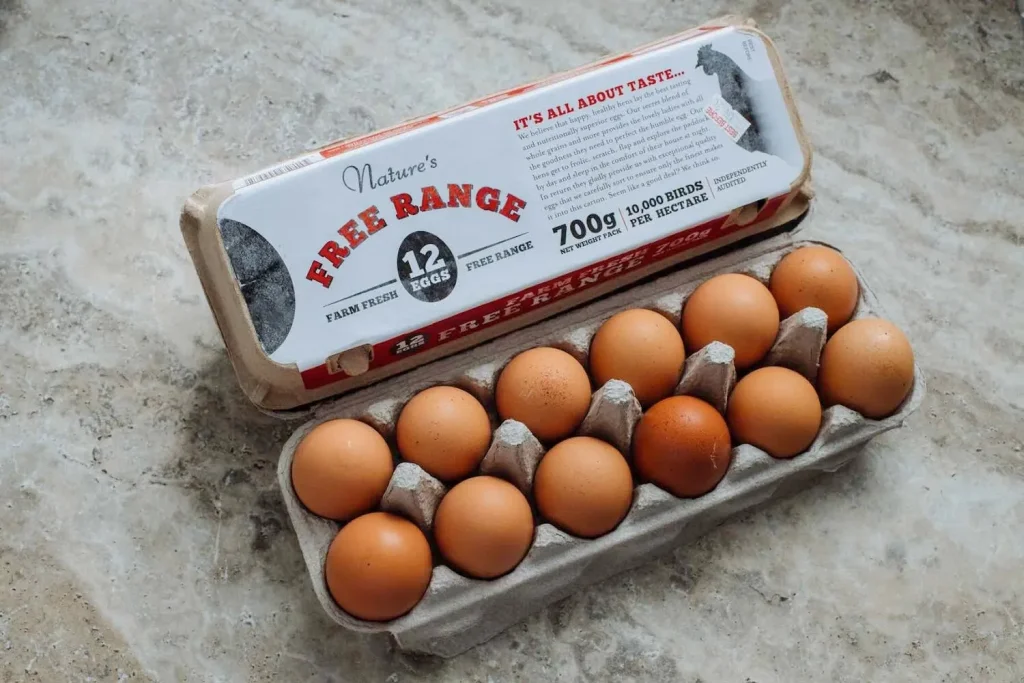
Hens must be provided with next boxes. There must also be enough perches to provide 15cm of seating space for each hen. Bedding covering one third of the floor area must be provided for scratching and dust protection.
Laying cage systems
Across the EU conventional “battery” cages have been banned. In the UK, they have been replaced by larger, ‘enriched’ colony cages. The new colony cages provide 750cm² per bird along with a nest box for the birds to lay their eggs in, perching space for the birds to sleep on and a scratching area to perform natural behaviours. In the UK, most new designs of colony cages can accommodate between 40 and 80 birds, making better use of space and allowing them to move more freely within the colony.
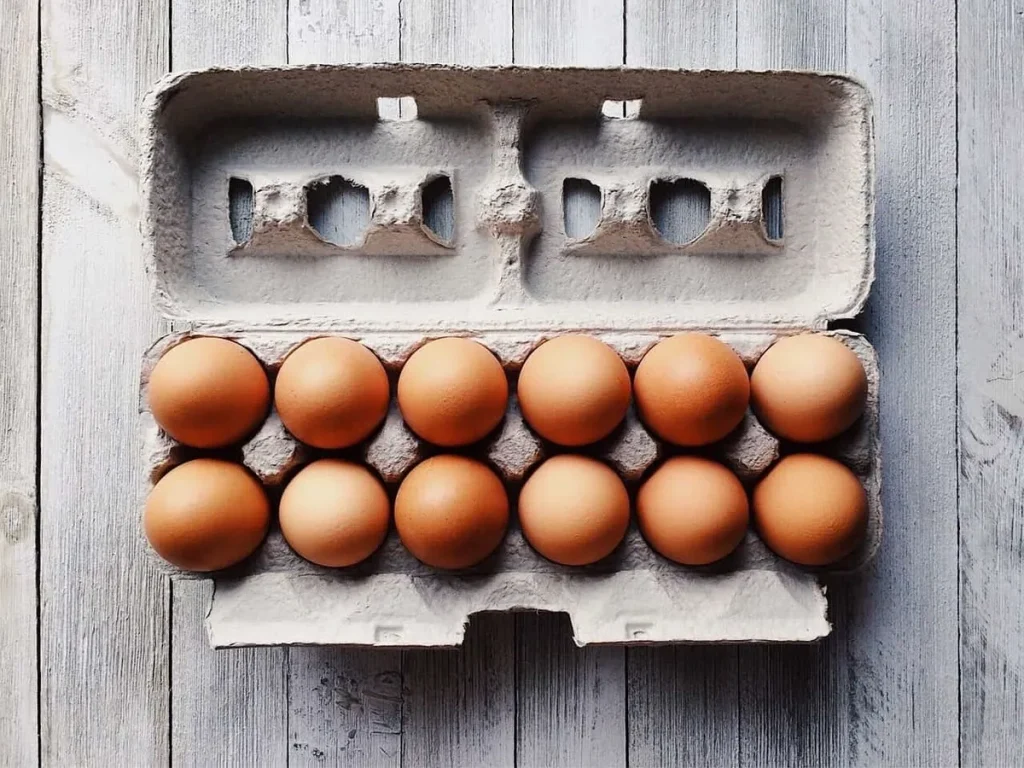
Lion egg producers have found that the birds are taking full advantage of the improvements in the new system, with almost all hens sleeping on perches and 95 per cent of eggs being laid in the nest box area. Egg laying in the nesting area has proven to be one of the most important behavioral needs of laying hens. Once the eggs are laid, they roll onto a conveyor belt out of the birds’ reach, waiting to be picked up.
Other important indicators found on the egg label
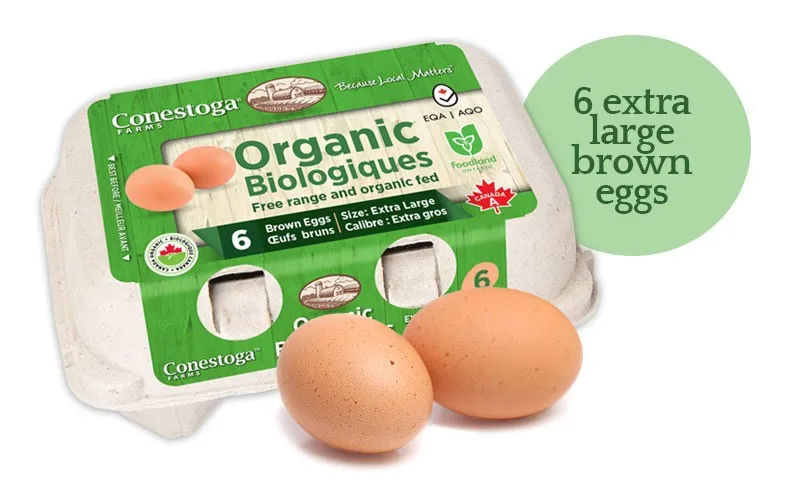
Egg color – is determined by the egg laying chicken breed and is not and indicator for the quality of the egg.
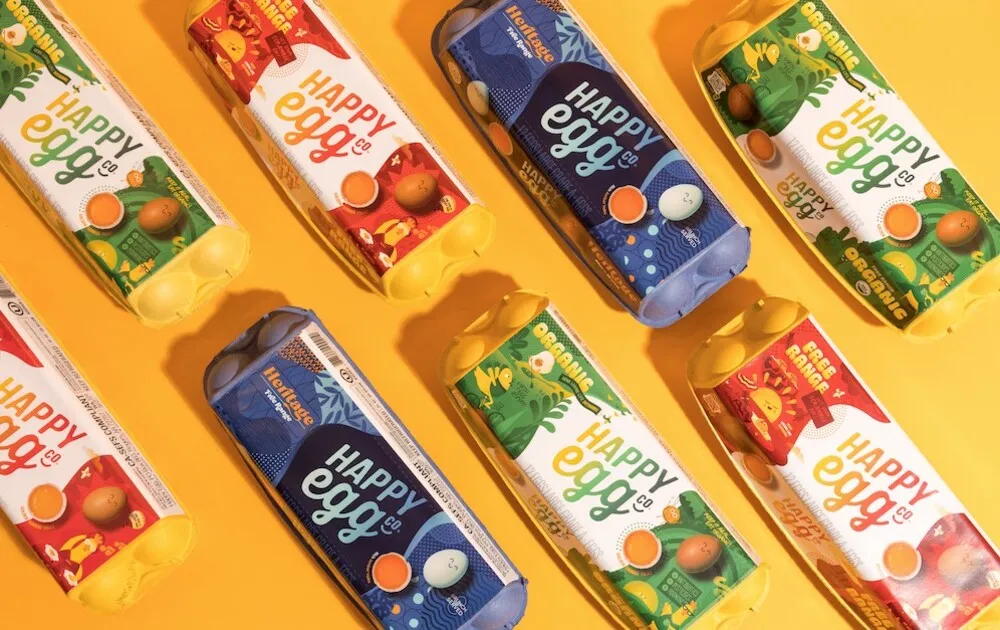
Grade – it refers to the quality of the egg, but not in terms of nutrition. For example, grade A eggs have a spotless shell, the yolks are free from defects and the egg white is reasonably clear and thick.
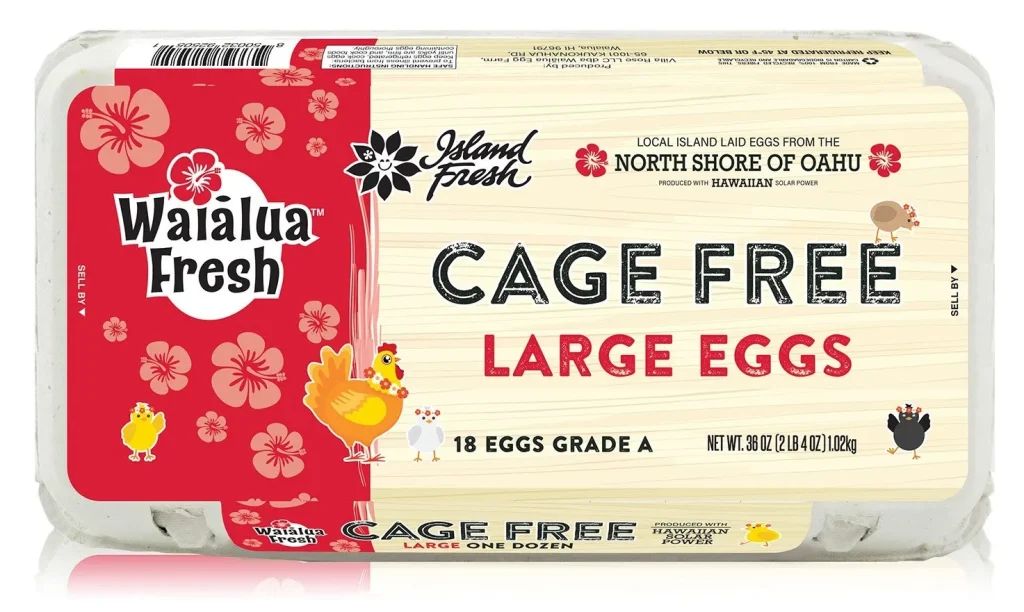
Size – the size of the eggs also varies, usually depending on the chicken breed, but producers sort out and pack eggs in cartons according to their size.

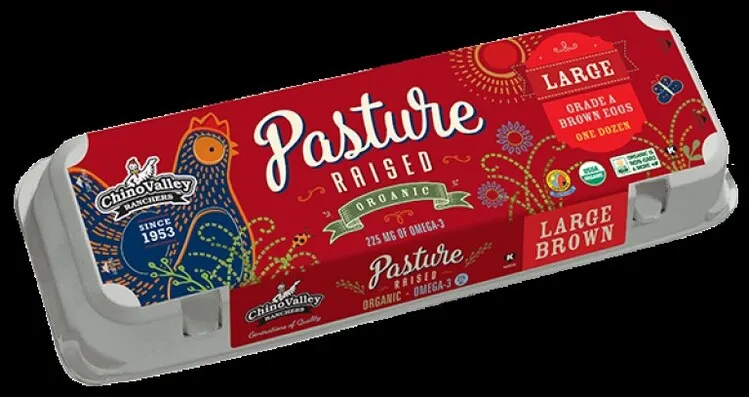
Pasture-raised – some eggs sold in the US include this definition on the egg labels, but it’s not regulated by the USDA yet. It means that the eggs were obtained from hens that are able to forage and roam on a pasture area.
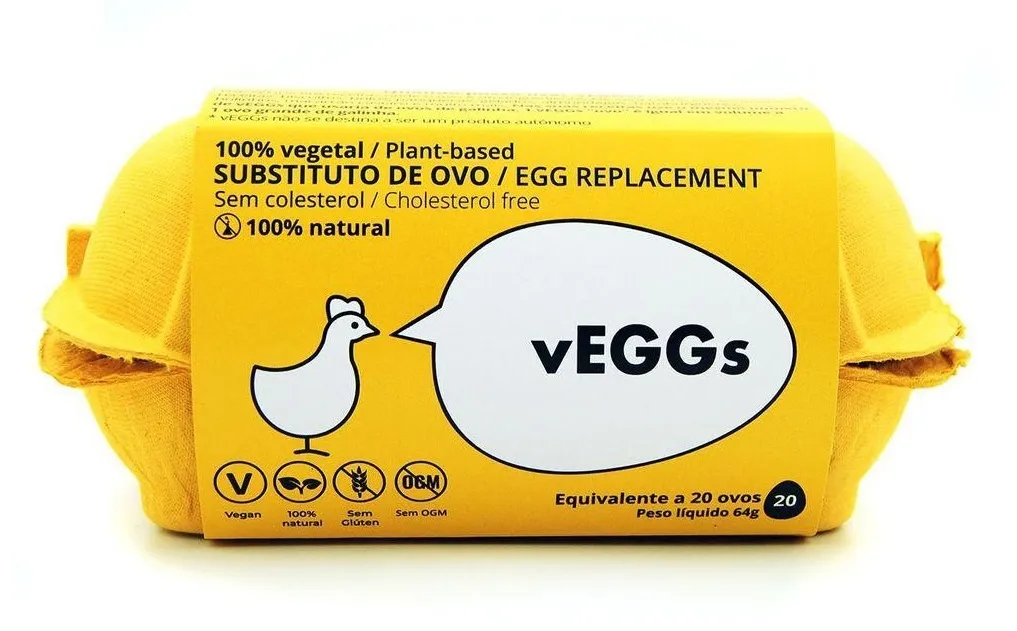
Vegetarian – fed – it means that the laying hens have a vegetarian diet, but this practice is controversial because chickens are not naturally vegetarian.
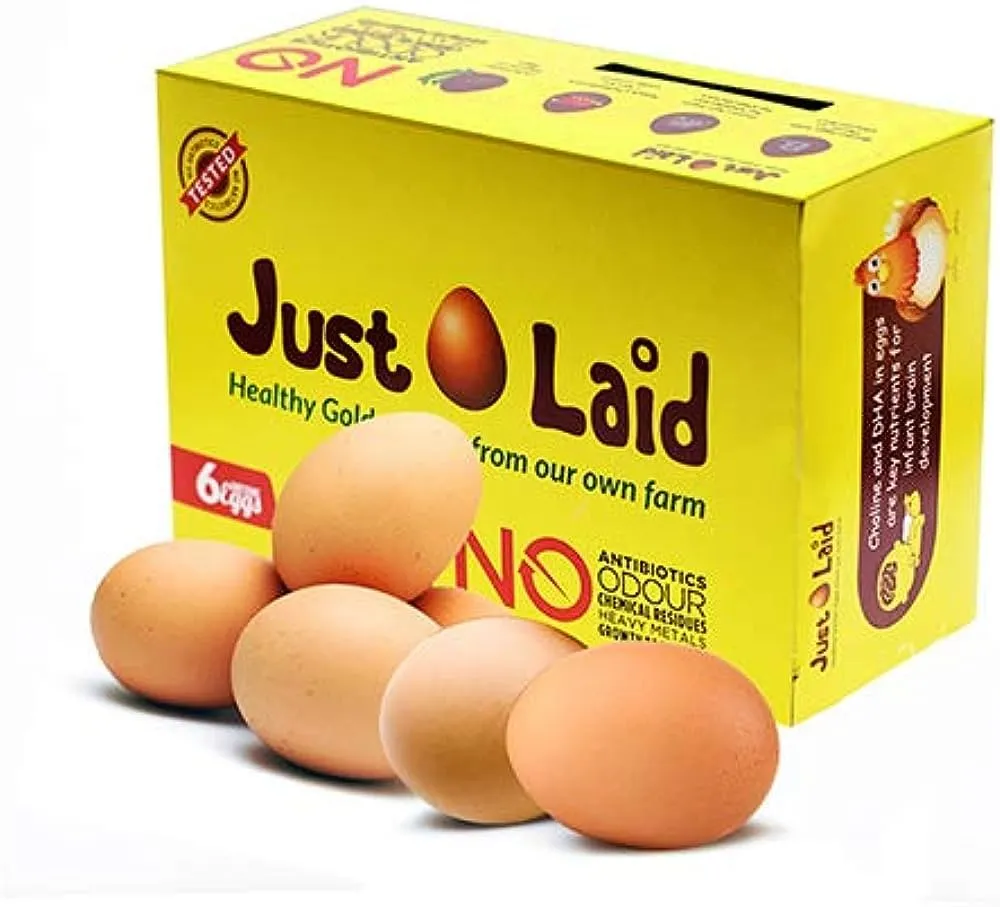
No added antibiotics – the hens were not given any antibiotics in their feed or water. It’s a mandatory requirement for organic chickens.
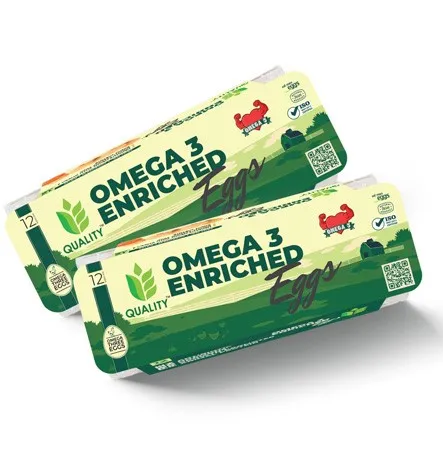
Omega – 3 enriched eggs – the laying hens were raised on a diet rich in omega-3 fatty acids. The eggs obtained from hens that have such a diet usually contain 100 mg – 600 mg omega-3 fatty acids per egg.
Date – like in the case of any other product, egg labels contain a best-before date. The date is also marked on the egg shell in the European Union.
Value of egg production in the United Kingdom
the last decade, the poultry industry has demonstrated intensive growth rates, characterized by the consolidation and integration of enterprises, the increase in the number of poultry and the growth of production volumes. The demand for poultry products, both in the world and in UK, is growing every year, which creates prerequisites for competitive development for poultry enterprises.

Value of egg production in the United Kingdom from 2017 to 2022 (in million GBP)
202 million dozens were packed in UK egg packing stations during the first quarter of 2023. This represents 12% decrease on the first quarter in 2022 and a 1.2% decrease on quarter four 2022.
Imports
The latest data for February 2023 shows imports of shell eggs at 3.6 million dozens, a 10% increase on the same period last year. Imports of egg products are up 2.2% at 7.6 million dozens compared to February 2022.
| 2021 | 2022 | 2023 | % change 2022/2023 | 12 Month Moving Totals | |
| January | 2.3 | 1.9 | 2.6 | 40% | 31.4 |
| February | 1.6 | 3.2 | 3.6 | 10% | 31.8 |
| March | 2.2 | 3.1 | 28.7 | ||
| April | 1.6 | 2.0 | 26.7 | ||
| May | 1.7 | 1.8 | 24.9 | ||
| June | 4.2 | 3.5 | 21.4 | ||
| July | 2.0 | 2.3 | 19.2 | ||
| August | 2.4 | 2.2 | 16.9 | ||
| September | 8.9 | 2.1 | 14.8 | ||
| October | 3.0 | 2.2 | 12.6 | ||
| November | 2.5 | 2.5 | 10.1 | ||
| December | 2.5 | 3.9 | |||
| Total | 34.8 | 30.7 |
UK egg market breakdown for 2022 (industry estimate)

Exports
Shell egg export figures for February 2023 are 1.6 million dozens, up 11% compared to the same period in 2022, whilst egg product exports were 0.8 million dozens, up 153% compared to February 2022.
| 2021 | 2022 | 2023 | % change 2022/2023 | 12 Month Moving Totals | |
| January | 0.7 | 1.3 | 1.5 | 17% | 20.7 |
| February | 1.2 | 1.5 | 1.6 | 11% | 20.8 |
| March | 1.2 | 1.6 | 19.2 | ||
| April | 1.6 | 1.5 | 17.7 | ||
| May | 2.1 | 1.8 | 15.9 | ||
| June | 3.1 | 2.1 | 13.7 | ||
| July | 2.2 | 2.0 | 11.8 | ||
| August | 2.2 | 2.0 | 9.8 | ||
| September | 2.0 | 1.9 | 7.9 | ||
| October | 1.9 | 1.7 | 6.2 | ||
| November | 1.8 | 1.4 | 4.8 | ||
| December | 1.8 | 1.7 | |||
| Total | 21.7 | 20.5 |
UK egg market breakdown for 2022 (industry estimate)
Retail sector – outlet share 2022 (industry estimate)

The majority of eggs are sold through retail channels, equivalent to about 65% of total sales, up from 2004’s 48%, with food services at 16% and food manufacturing at 17% (industry data based on industry estimates, Kantar Worldpanel, government data comparing data for 2004 and 2021).
Between 2008 and 2021, retail egg sales grew by particularly 50%, and all sectors of the population ate more eggs, but growth was particularly strong among younger (18-44) consumers (Kantar Worldpanel, annual sales). The value of retail egg sales has exceeded £1.2bn and has risen by about £600m since 2004. Most of these eggs (65%) are sold through multiple retailers (Kantar Worldpanel).
Average output price of eggs in the UK from 2018 to 2021 (as producer price index)

Competitor analysis in the UK egg market
Key players:
- “Noble Foods”;
- “Fairburn’s Eggs”;
- “Ballygarvey Eggs”;
- “Birchgrove Free Range Eggs”;
- “The Good Egg Fellas” and others.
Noble Foods
Noble Foods is the UK’s largest egg supplier. Established in 1920 as a family-owned venture, the company’s operations now include the production and packaging of over 30 million eggs on a weekly basis, a testament to its remarkable scale.
Noble Foods is known for its industry-leading egg brands, including the widely recognised Big & Fresh and Purely Organic, among others. However, its influence extends far beyond these acclaimed labels.
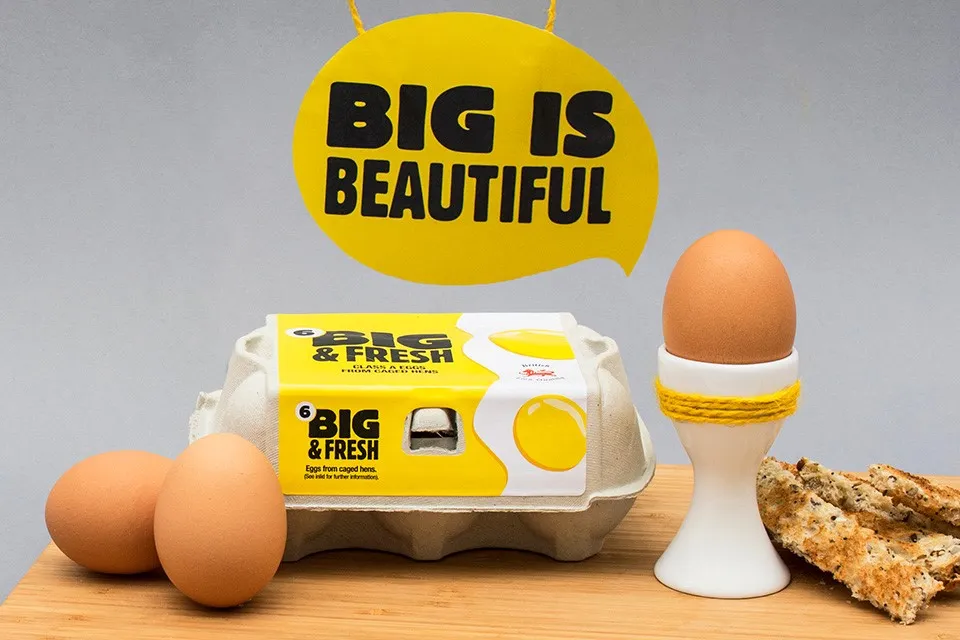
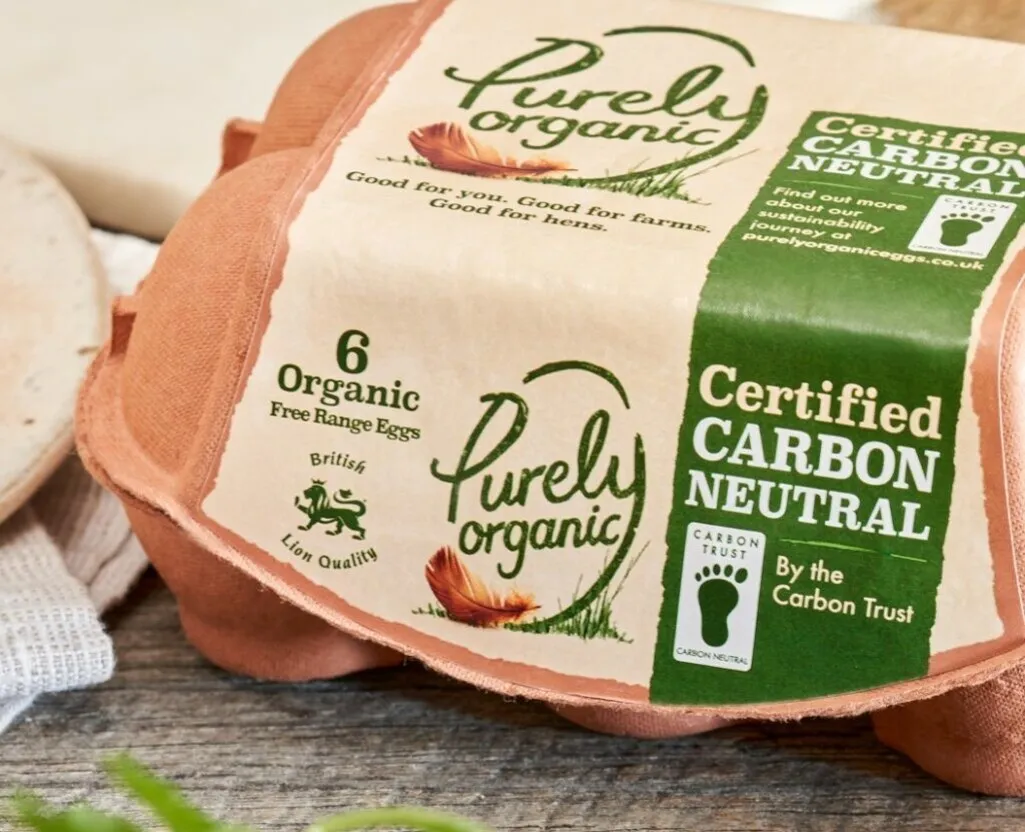
Noble Foods is known for its industry-leading egg brands, including the widely recognised Big & Fresh and Purely Organic, among others. However, its influence extends far beyond these acclaimed labels.
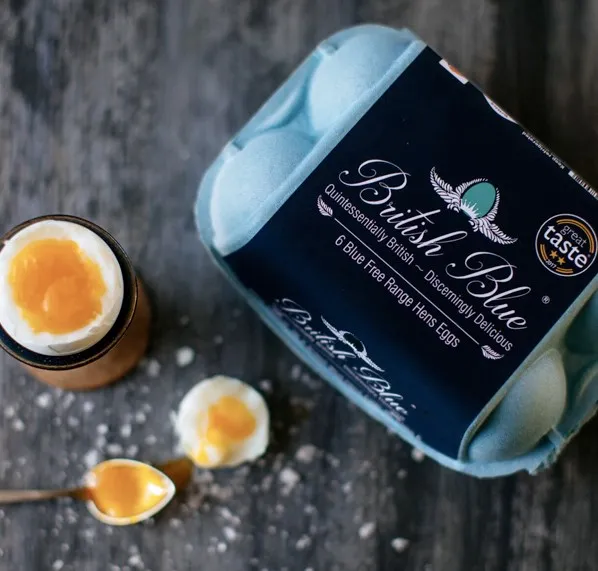
From those humble beginnings, Fairburn’s Eggs have taken the food and agriculture industry by storm, becoming the largest independent, family-owned egg producer in the UK, packing and distributing an astonishing 17 million eggs a week.
Ballygarvey Eggs
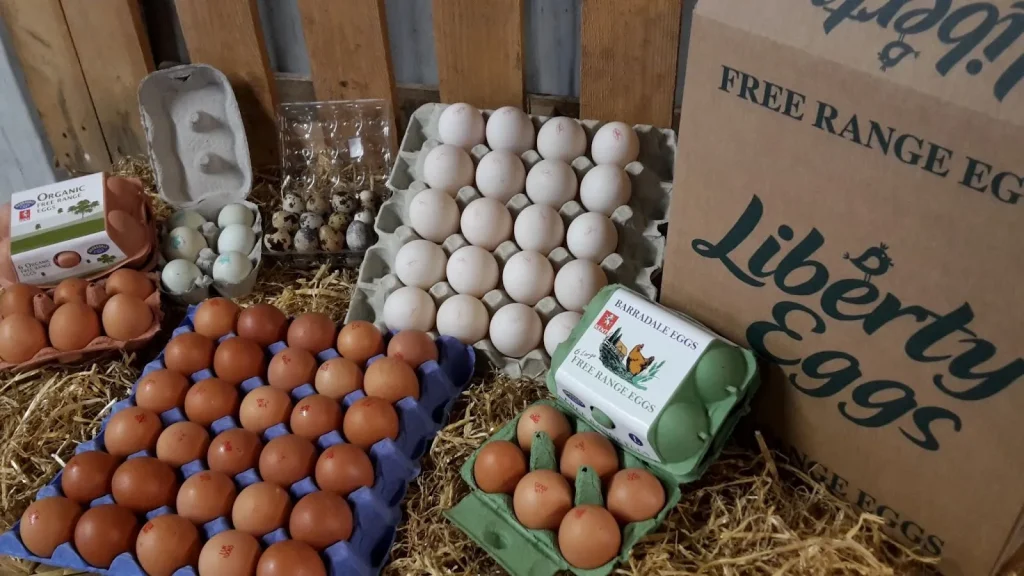
Barradale Eggs Ltd are egg producers, wholesalers and egg packers to other egg producers for the food trade & industry.
Birchgrove Free Range Eggs
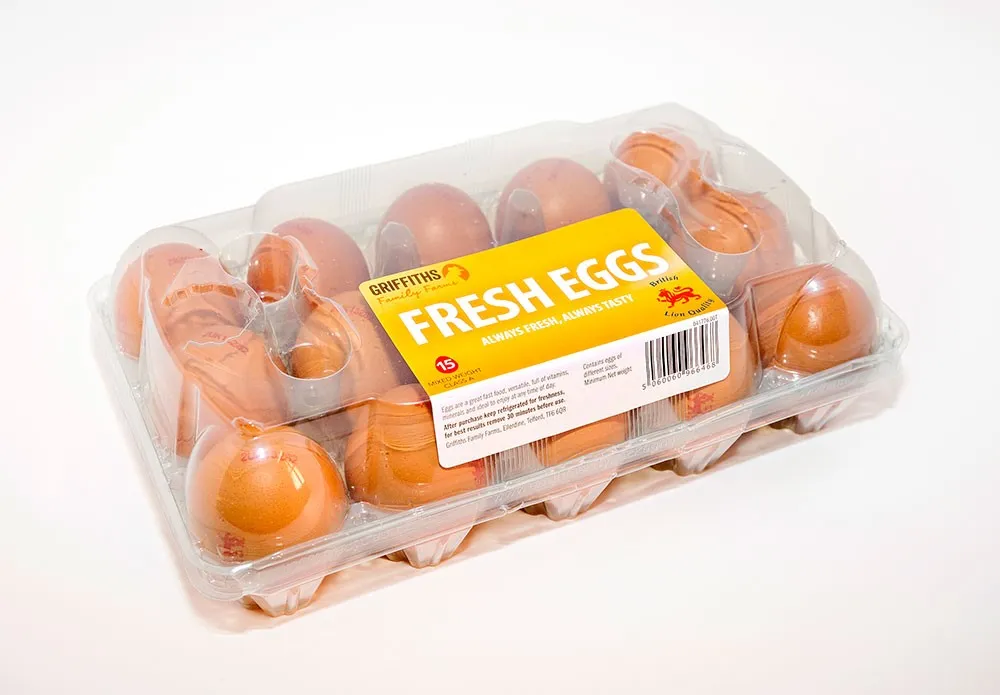
t is owned and operated by the Griffith family (three generations). We believe that the best eggs come from family farms in Wales and only come from farmers who really care about the health and well-being of their chickens and these are the best eggs that come into our Birchgrove brand. Auckland has developed through the hard work, passion and determination of the Griffiths family.
Farming is their life and drive. It is now run by Gareth and Elwin, the 2 sons of founders Ale and Olwen Griffith. Gareth’s three sons have recently joined the business, ensuring their inheritance to the next generation. The family fully supports family farms in Wales and is committed to ethical and sustainable practices.
The Good Egg Fellas
The Good Egg Fellas is an award-winning independent free range egg producer and supplier that sells direct from its farm to households and businesses across the UK.
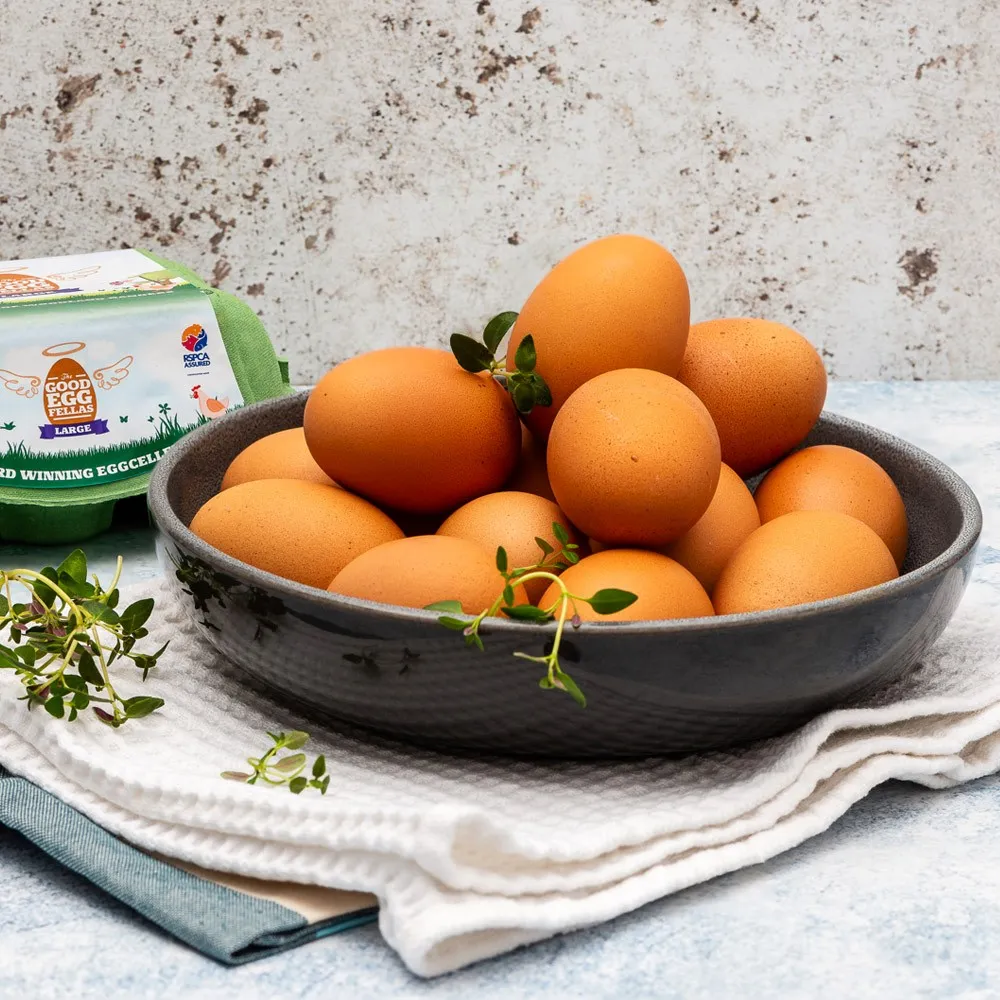
Egg producer supply households, independent bakeries, gastro pubs, restaurants, cafes, coffee houses and bistros who all have one thing in common; they are passionate about using good quality, fresh, free range eggs that come direct from a farm that operates to high welfare standards.
How many eggs do consumers eat in a average week?
While the majority (56%) eats between one and three eggs in an average week, nearly a third (30%) pack away between four and six. Seven per cent eat between seven and nine eggs and 5% consume between 10 and a dozen. Consumption is up, says British Egg Industry Council chairman Andrew Joret. “During the pandemic sales rose dramatically, as people spent more time at home,” he says. “Sales have since settled down but increasing egg consumption remains the long-term trend with sales continuing to grow on pre-pandemic levels.”

Scrambled eggs are Britain’s most popular serve
Scrambled rules supreme when it comes to how Brits like their eggs (71%).
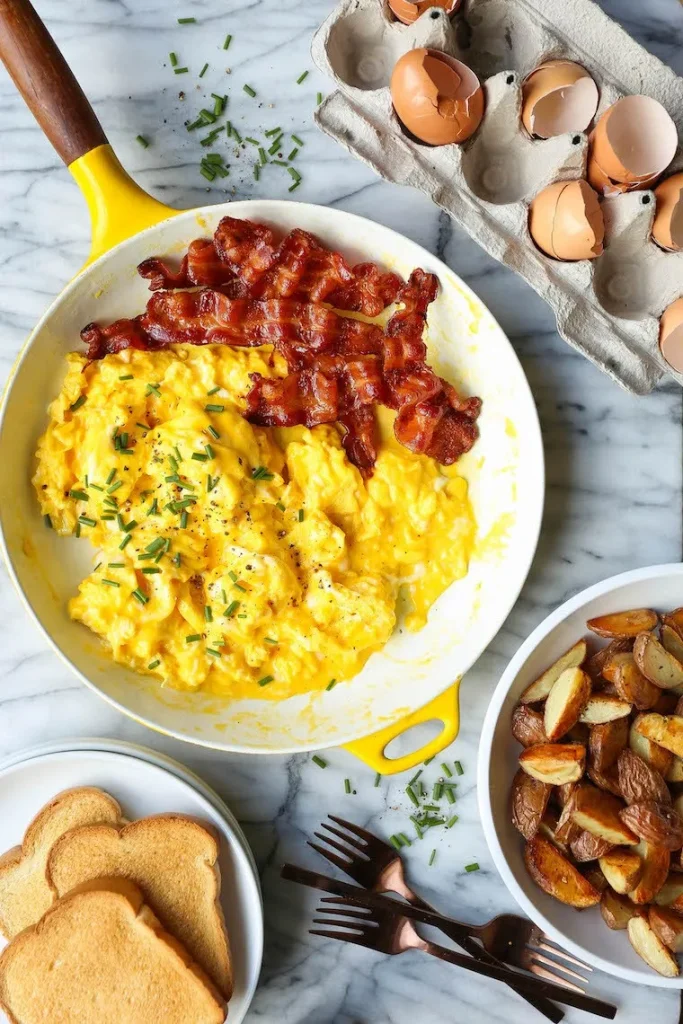
Second most popular is fried, with 60% of the vote; third is omelette, with 55%.

However, preferences vary by region. Scrambled eggs are the most cited serve in all parts of the UK, but the popularity of fried, hard-boiled, poached, half-boiled eggs and omelettes is a major factor in who is cooking (and eating). For example, in the north east of England, the proportion of people who fried as much as scrambled eggs is high, and both have won 73% of the vote. In Yorkshire, omelette is the second most popular serve after scrambled eggs (70%), with 60% pushing into the omelette and 58% eating fried eggs.

Conclusions
The prospects for the development of the edible eggs market are:
— the uniqueness of the product, which is one of the essential products, a high-quality source of protein in the diet of the population, available at a reasonable price;
— unlike most types of agricultural products, which act as raw materials for processing, edible eggs can be sold as a final product directly to consumers, which creates favorable conditions for enterprises to establish their own trade network, direct connections with trade enterprises and maximize profits;
— the needs of the population in egg products are met at a high level, therefore the demand for edible eggs in the domestic market depends on the price, income of the population and the development of the food and processing industry;
— the short storage period of eggs requires a clear cooperation of producers in the field of their sale, timely removal of surpluses from the trade network for the purpose of processing within acceptable terms;
— industrial poultry enterprises have reached a high level of concentration, which creates conditions for improving the logistics of moving products in fresh and processed form on the domestic and foreign markets;
— the foreign economic vector of the development of the market of edible eggs and egg products has a tendency to grow in accordance with the growth of the population in the world and the level of development of countries.